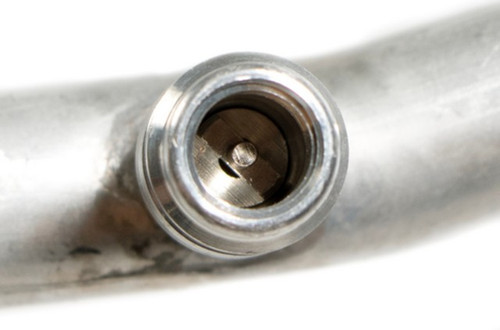
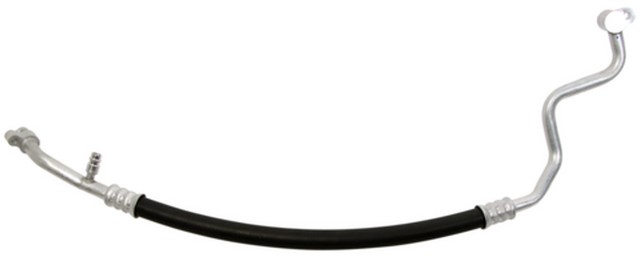
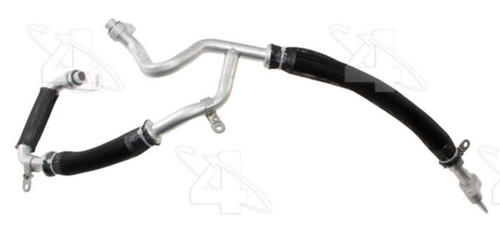
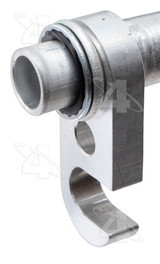
Four Seasons 65248 A/C refrigerant suction hose for the 2021-2025 Acura TLX 4-cylinder 2.0L carries refrigerant on the low-pressure side of the A/C system.
- Double wall barrier hose compatible with R1234YF, R134A or R12
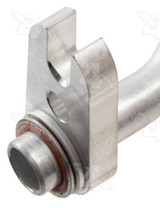
- Crimp fitting connection
- Gaskets, o-rings or seals included for proper installation
- Application specific design
- Service port included
Quick facts
- Part: Four Seasons 65248 A/C refrigerant suction hose
- Fits: the 2021-2025 Acura TLX 4-cylinder 2.0L
- Material: aluminum and rubber
Oily residue on the hose or fittings, a damaged hose surface or weak cooling can mean a suction hose is leaking or worn. Before you replace the hose, rule out other sources of weak cooling, such as a leak elsewhere in the system or a compressor problem.
Fits
This A/C refrigerant suction hose fits the 2021-2025 Acura TLX 4-cylinder 2.0L.
Specifications
Fit and size
- Quantity per vehicle: 1
- Refrigerant type: R1234YF
- Muffler: without muffler
- Service port: included
Build and materials
- Material: aluminum and rubber
- Hose construction: double wall barrier hose
- Fittings: crimp connection
- Gaskets, o-rings or seals: included
- Country of origin: China
In the box
One A/C refrigerant suction hose with its service port, plus gaskets, o-rings or seals. This listing is one hose, and the 2021-2025 Acura TLX 4-cylinder 2.0L takes one.
Interchange: 80311TGVA01 · 212543 · A66136
Product information is for general reference and may contain errors. See our Disclaimer.
This part cross-references / interchanges with the following part numbers:
80311TGVA01, 65248, 212543, A66136
Frequently Asked Questions
Does the Four Seasons 65248 suction hose fit the 2021-2025 Acura TLX 4-cylinder 2.0L?
Yes. Four Seasons 65248 is an application specific A/C refrigerant suction hose listed for the 2021-2025 Acura TLX 4-cylinder 2.0L, and that car takes one.
Do gaskets and o-rings come with this A/C suction hose?
Yes. The hose comes with gaskets, o-rings or seals and a service port. It is a hose without a muffler.
Which refrigerants is the Four Seasons 65248 hose built for?
Four Seasons 65248 is a double wall barrier hose compatible with R1234YF, R134A or R12. Its listed refrigerant type is R1234YF.
How do I check an A/C suction hose for leaks?
With the engine off and cool, look for oily residue, cracks or kinks along the hose and at its crimped fittings. A shop can leak-test the A/C system.
Is Four Seasons 65248 interchangeable with 80311TGVA01?
Yes. 80311TGVA01 is one of the numbers this suction hose replaces, along with 212543 and A66136.