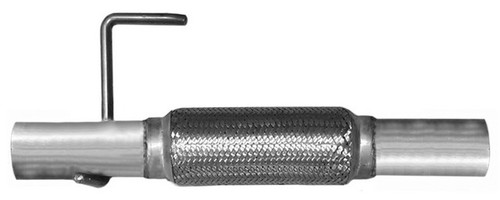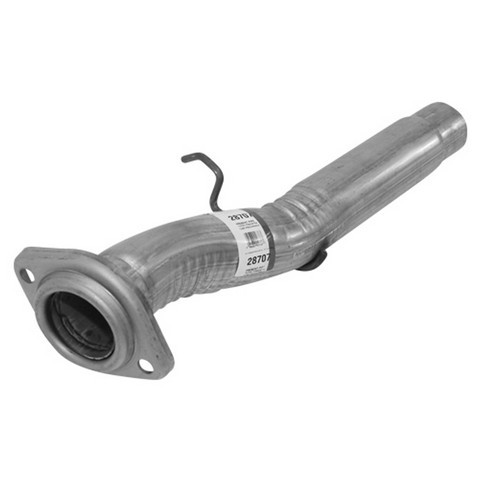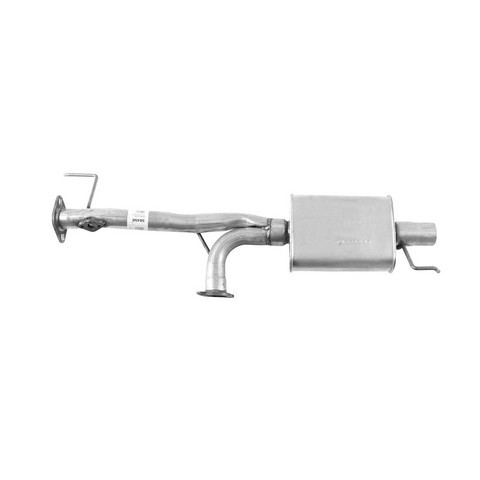
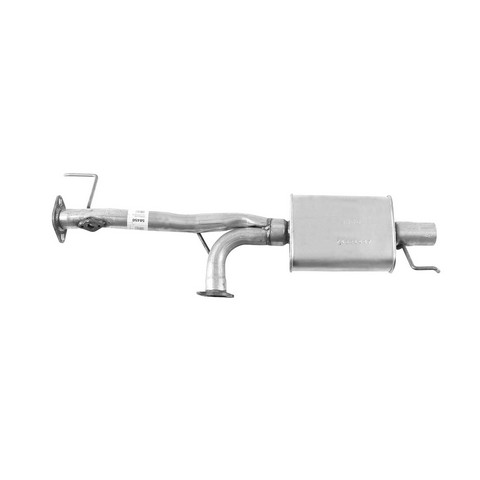
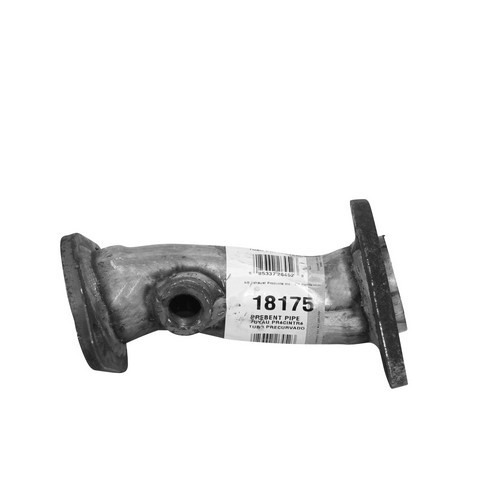
AP Exhaust Exhaust Pipe P/N:58450

Be the first to review this product
$97.99
MPN: 58450
Item Package Quantity: 1
Adding to cart… The item has been added

Have questions?

AP Exhaust Exhaust Pipe P/N:58450
$97.99

Route exhaust gases cleanly away from the engine with the AP Exhaust Prebent Exhaust Pipe (MPN 58450). It installs as a direct-fit replacement for the 2003-2004 Toyota Tundra with the V8-4.7L engine, arriving pre-bent to follow the factory routing so it drops into place along the underbody.

  • Prebent design: Formed to the original contour so it lines up with the existing exhaust connections on the listed application.
  • Aluminized steel: Built from aluminized steel for corrosion resistance against road moisture and exhaust heat.
  • Original-equipment replacement: Cataloged as an OE replacement to restore the exhaust path when the original pipe has rusted through, cracked, or been damaged.

An exhaust pipe carries spent combustion gases from the engine toward the rest of the exhaust system. Common signs the original may need replacing include a louder exhaust note, a rattle or hiss from underneath, visible rust or perforation, or a soot/exhaust smell — if a failed pipe is the cause, this replaces it. Confirm fitment for your vehicle before ordering.

Frequently Asked Questions

What vehicle does this exhaust pipe fit?

It is a direct-fit replacement for the 2003-2004 Toyota Tundra with the V8-4.7L engine. See the Buyer's Guide tab to confirm fitment for your vehicle.

What is this pipe made of?

It is made of aluminized steel, which resists corrosion from road moisture and exhaust heat.

Does it come pre-bent?

Yes. It is a prebent exhaust pipe formed to follow the factory routing so it lines up with the existing exhaust connections.

What does an exhaust pipe do?

It carries spent combustion gases from the engine toward the rest of the exhaust system, keeping the flow routed along the underbody.

What are signs this pipe may need replacing?

A louder exhaust note, rattle or hiss from underneath, visible rust or perforation, or an exhaust smell. Diagnose the cause before replacing.