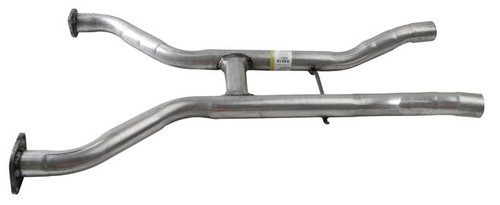
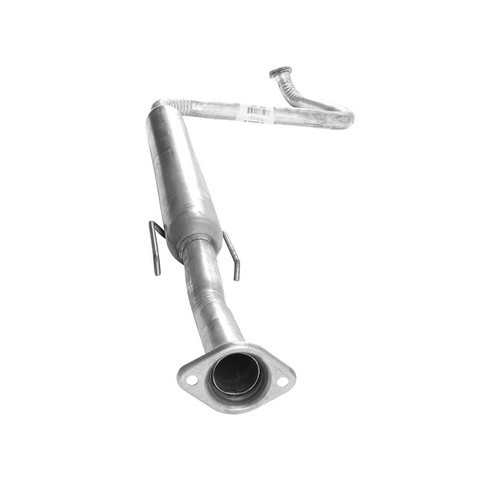
AP Exhaust Exhaust Pipe P/N:58561

Be the first to review this product
$60.99
MPN: 58561
Item Package Quantity: 1
Adding to cart… The item has been added

Have questions?

AP Exhaust Exhaust Pipe P/N:58561
$60.99

Quiet a rusted-out or leaking section with the AP Exhaust pipe (P/N 58561), a prebent exhaust pipe that drops in as a direct-fit replacement on the 1998-2002 Honda Accord equipped with the L4-2.3L engine. This Honda Accord pipe is shaped to follow the factory exhaust routing so it aligns with the surrounding hardware.

Features:

  • Aluminized steel construction: 100% aluminized heavy-gauge steel helps provide durability and corrosion resistance.
  • Direct-fit routing: Prebent with required features where applicable to help match original equipment appearance and alignment.
  • Precision-engineered fit: Designed to support easier installation on matched vehicles.
  • OE-replacement: Cataloged as an original equipment replacement pipe, made in the United States.

As a wear item exposed to heat, road salt and moisture, an Accord pipe can corrode, crack or develop leaks over time. If a rusted or failed pipe is the cause of exhaust noise or a leak on your Accord, this AP Exhaust exhaust pipe restores the factory routing for the listed application.

Frequently Asked Questions

Does this AP Exhaust pipe fit my Honda Accord?

Yes — it's a direct-fit replacement for the 1998-2002 Honda Accord with the L4-2.3L engine. Check the Buyer's Guide tab to confirm it matches your vehicle.

What is this exhaust pipe made of?

It's built from 100% aluminized heavy-gauge steel, which helps provide durability and corrosion resistance.

Is this an OE-replacement part?

Yes, it's cataloged as an original equipment replacement pipe, prebent to help match factory appearance and alignment for easier installation.

Where is this AP Exhaust pipe made?

Its country of origin is the United States.

What are the signs I may need a new exhaust pipe?

Signs may include louder exhaust noise, a hiss or rumble, visible rust or holes, or a detectable leak. Diagnose the cause before replacing, since noise can have other sources.