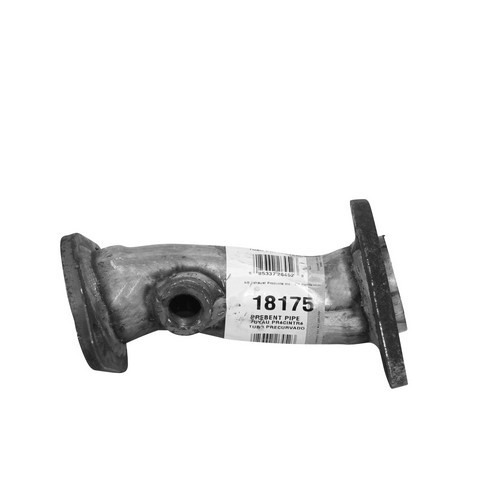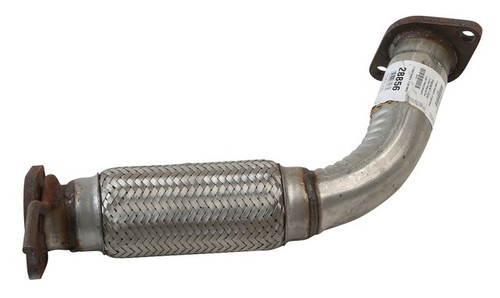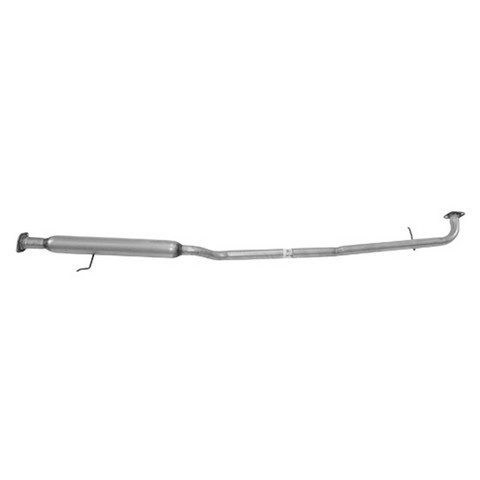
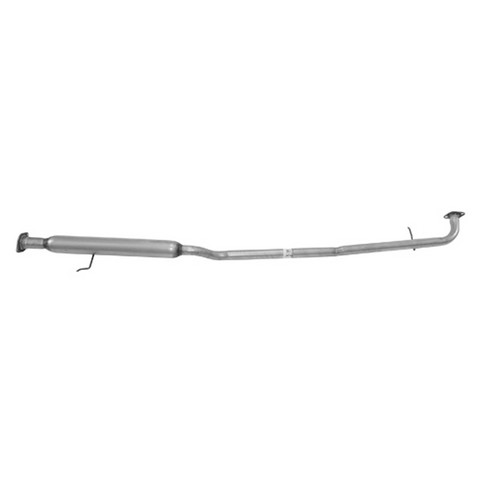
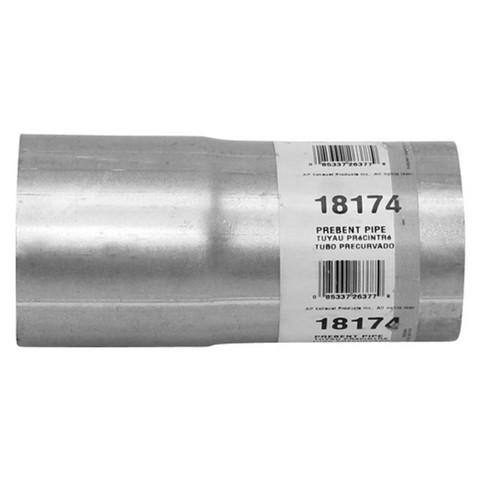
AP Exhaust Exhaust Pipe P/N:88156

Be the first to review this product
$108.99
MPN: 88156
Item Package Quantity: 1
Adding to cart… The item has been added

Have questions?

AP Exhaust Exhaust Pipe P/N:88156
$108.99

Route exhaust gas cleanly from the engine toward the rest of the system with the AP Exhaust Prebent Exhaust Pipe (MPN 88156). It drops in as a direct-fit replacement on the 2007-2010 Toyota Camry (L4-2.4L) and the 2010-2011 Toyota Camry (L4-2.5L), pre-formed to follow the factory routing so it fits the listed applications without cutting or bending.

  • Prebent design: Shaped to the original contours for the listed Camry applications, so it seats along the factory path.
  • Aluminized steel: Built from aluminized steel for corrosion resistance against road spray and exhaust heat.
  • OE replacement: Cataloged as an original-equipment replacement pipe for the listed vehicles.
  • Made in the United States.

Over time an exhaust pipe can rust through, crack at a bend, or leak at a connection, letting gas escape ahead of the muffler and creating a louder, raspy exhaust note. If a corroded or damaged pipe is the cause, this prebent section restores the intended routing. Confirm your engine matches the listed application before ordering.

Frequently Asked Questions

What vehicles does the 88156 exhaust pipe fit?

It is a direct-fit replacement for the 2007-2010 Toyota Camry (L4-2.4L) and the 2010-2011 Toyota Camry (L4-2.5L). Check the Buyer's Guide to confirm your engine.

What is this exhaust pipe made of?

It is made of aluminized steel, which resists corrosion from road spray and exhaust heat.

Does the pipe come pre-bent?

Yes. It is a prebent pipe shaped to follow the factory routing for the listed applications, so no cutting or bending is required to match the original path.

Is this an OE replacement part?

Yes, it is cataloged as an original-equipment replacement exhaust pipe for the listed Toyota Camry applications.

When should I replace my exhaust pipe?

Signs it may need replacing include rust-through, cracks at a bend, or a leak at a connection that produces a louder, raspy exhaust note. Diagnose the source of the leak before replacing.