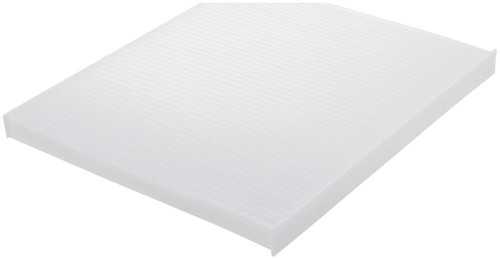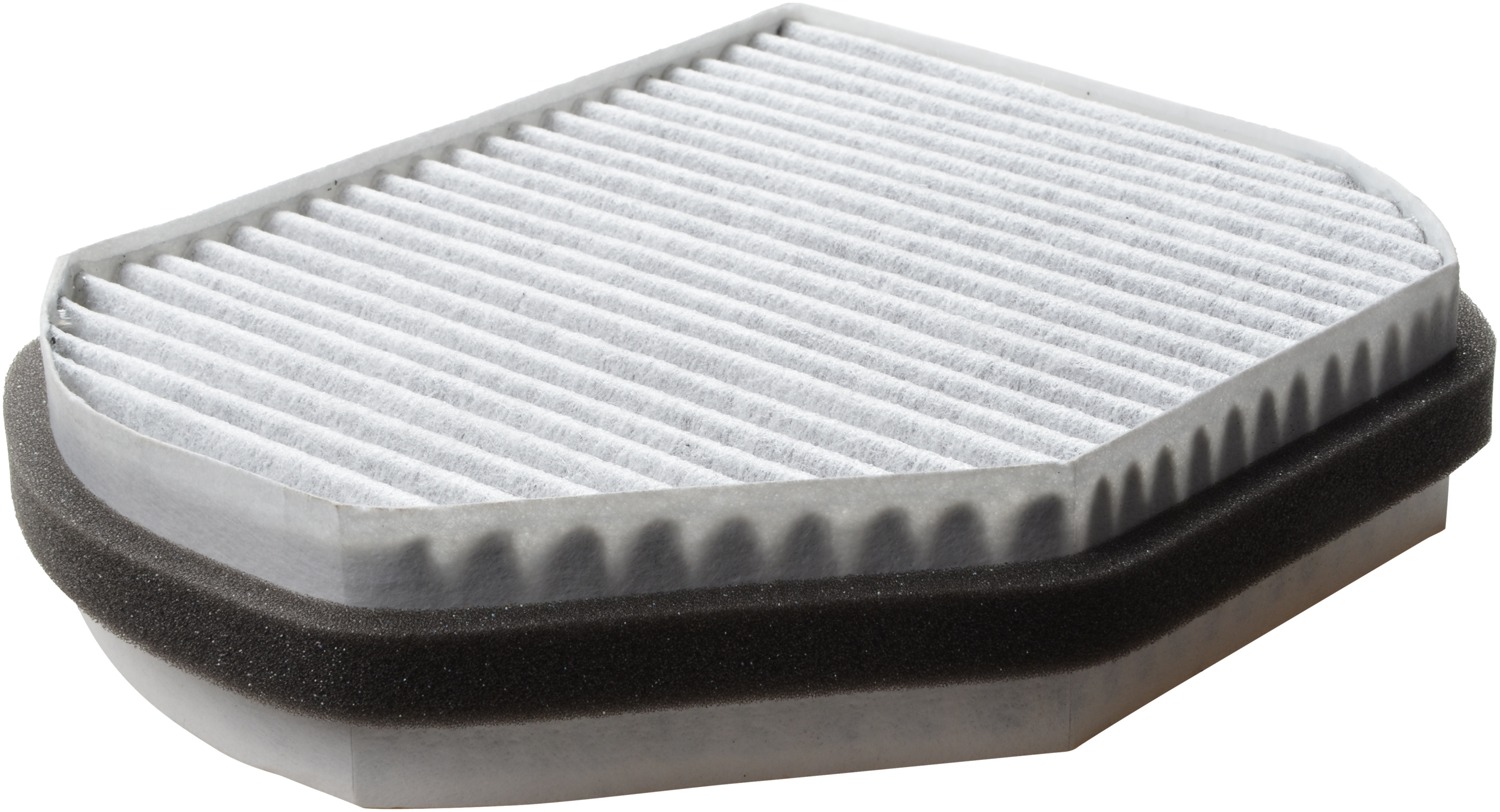
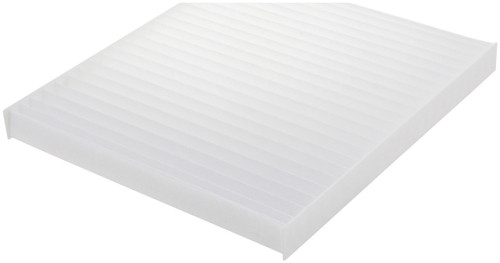
Bosch Cabin Air Filter P/N:P3916WS
Bosch C3870WS cabin air filter for the 2004-2008 Chrysler Crossfire and other vehicles traps dust and soot from the air entering the cabin. The Bosch cabin air filter works on HVAC intake air, so particles are held back before the vents.
Weak airflow from the vents or a stale, exhaust-like smell in the cabin can mean the filter is loaded with dirt. Those signs alone don't prove the filter is the problem, because a weak blower motor can also cut airflow. A car takes one filter, and this listing is one filter.
The 2004-2008 Chrysler Crossfire, the 1998-2004 Mercedes-Benz SLK230 and the 2001-2004 Mercedes-Benz SLK320 are among the vehicles this filter fits, along with many more.
Product information is for general reference and may contain errors. See our Disclaimer.
Is the Bosch C3870WS cabin air filter right for the 2004-2008 Chrysler Crossfire?
Yes. Bosch C3870WS fits the 2004-2008 Chrysler Crossfire and many other vehicles. If your car isn't named here, look it up in the "Vehicles it fits" section and check its year and model.
Is this Bosch HEPA cabin air filter a true HEPA filter?
No. Bosch C3870WS is an activated charcoal filter from the Premium Carbon-Enhanced line, not a Bosch HEPA premium cabin air filter.
What does one of these Bosch car filters remove from cabin air?
This cabin air filter captures over 98% of airborne dust, grime and soot. Its activated carbon layer absorbs exhaust fumes, industrial pollutants and organic compounds.
How often should I change a Bosch cabin filter like this one?
The recommended replacement interval for the Bosch C3870WS cabin air filter is 12000 mi.
Could a clogged charcoal cabin air filter explain weak vent airflow and odors?
Yes, it can. Dirt packed into the media restricts HVAC airflow, and a stale smell or extra dust at the vents are other signs of a loaded filter.
Published by the manufacturer of this part. Links open in a new tab.
No reviews yet — be the first to review this product.
Write a Review
WARNING: These products can expose you to chemicals including lead and phthalates, which are known to the State of California to cause cancer and birth defects or other reproductive harm. For more information go to www.P65Warnings.ca.gov.