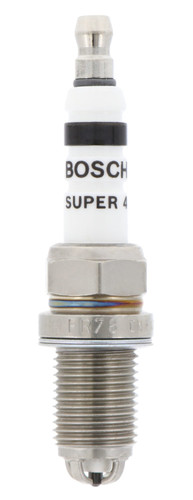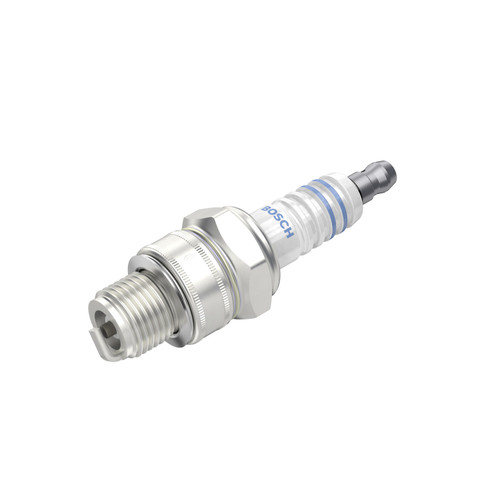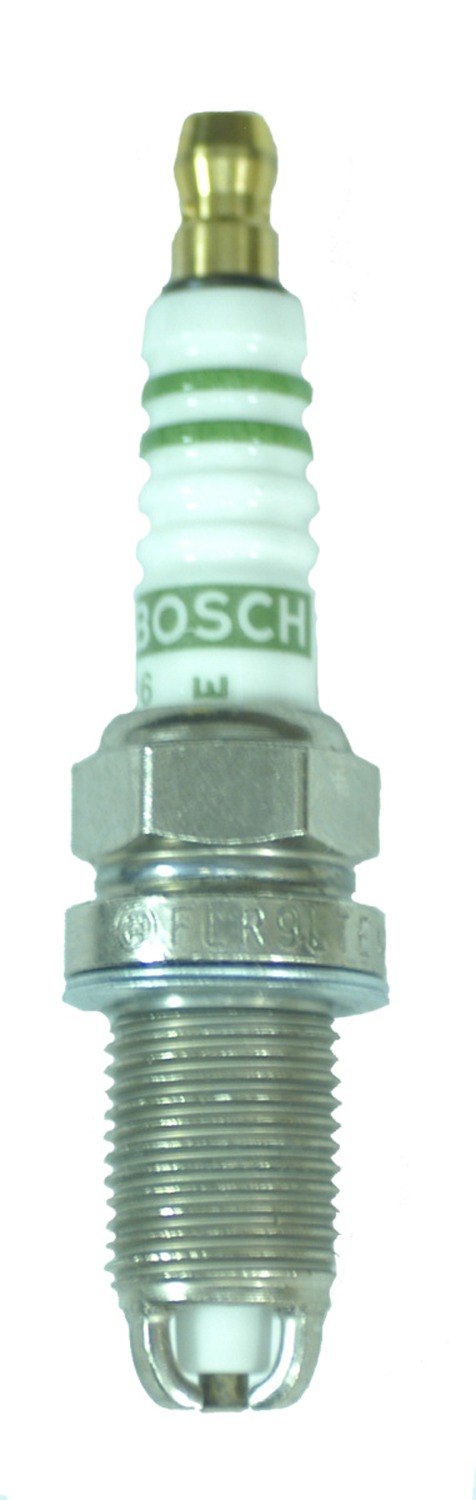
Bosch Spark Plug P/N:FR7DII35V
Bosch FLR9LTE spark plug for the 2001-2005 Saturn L300 V6 3.0L and other vehicles fires the spark that ignites the air-fuel mixture in each cylinder. The yttrium-enhanced nickel-copper center electrode gives this Bosch spark plug up to 50% longer performance life than standard copper plugs.
A worn plug can show up as misfires, a rough idle or hard starting. Ignition coils, vacuum leaks and fuel delivery problems can also be behind those signs, so find the cause before buying new plugs.
It fits the 2001-2005 Saturn L300 V6 3.0L, which takes six, along with the 2001-2003 Saturn LW300 and the 1997-2001 Cadillac Catera, both V6 3.0L. This listing is one plug. If your vehicle is not named here, look up your year and engine in the "Vehicles it fits" section.
Fit and size
Build and materials
One spark plug.
Product information is for general reference and may contain errors. See our Disclaimer.
Is this a Saturn L300 spark plug that fits the 2001-2005 V6 3.0L?
Yes. The Bosch FLR9LTE is listed for the 2001-2005 Saturn L300 with the V6-3.0L, which takes six plugs. This listing is one plug.
Are these Cadillac Catera spark plugs right for the 1997-2001 V6 3.0L?
Yes. The Bosch FLR9LTE is listed for the 1997-2001 Cadillac Catera V6-3.0L, which takes six plugs.
Do Bosch plugs like this one need anti-seize on the threads?
No. The nickel-plated rolled threads do not require anti-seize, which saves installation time.
Is the FLR9LTE a resistor spark plug?
Yes. This spark plug has a metal glass fused resistor that suppresses interference, and a projected insulator.
How can I tell if these plugs are worn?
Misfires, a rough idle or hard starting can mean worn plugs. With the engine off and cool, you can look at the electrode and insulator for wear or deposits; a shop can test other causes.
Published by the manufacturer of this part. Links open in a new tab.
No reviews yet — be the first to review this product.
Write a Review
WARNING: These products can expose you to chemicals including lead and phthalates, which are known to the State of California to cause cancer and birth defects or other reproductive harm. For more information go to www.P65Warnings.ca.gov.