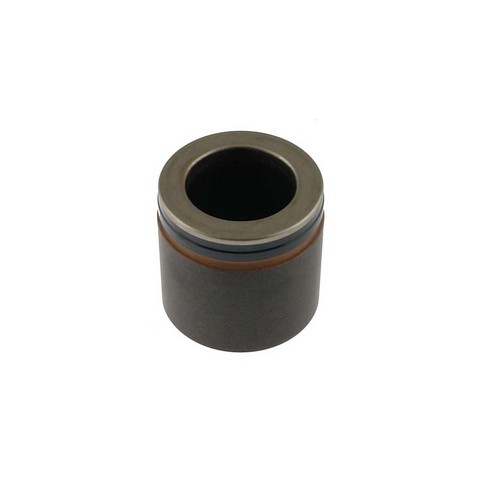
Carlson Disc Brake Caliper Piston P/N:7890

Be the first to review this product
$24.99
MPN: 7890
Item Package Quantity: 1
Adding to cart… The item has been added

Have questions?

Carlson Disc Brake Caliper Piston P/N:7890
$24.99

Keep firm, even clamping force at the rear brakes with the Carlson disc brake caliper piston 7890. It uses brake fluid pressure to push the rear brake pads against the rotor, and it drops in as a direct-fit replacement for the 2009 Chevrolet Silverado 3500, the 2009-2010 Chevrolet Silverado 3500 HD, and the 2009-2010 GMC Sierra 3500 HD. See the Buyer's Guide tab for engine-specific details.

Brakes are engineered as a system, and this piston works alongside the rest of the caliper hardware — many technicians renew this hardware whenever the brake friction material is replaced.

  • Fluid-driven operation: transfers brake fluid pressure to force the pads against the rotor.
  • OE-quality: matches Original Equipment (OE) quality specifications.
  • Quality materials: manufactured to hold high tolerances.
  • Corrosion resistant: built to resist corrosion from harsh road conditions.

If a worn, scored, or seized piston in your original rear caliper is the cause of poor braking or a dragging brake, this replaces it.

Interchange: FH7890

This part cross-references / interchanges with the following part numbers:

7890, FH7890

Frequently Asked Questions

Does the Carlson disc brake caliper piston 7890 fit my truck?

It's a direct-fit rear replacement for the 2009 Chevrolet Silverado 3500, the 2009-2010 Chevrolet Silverado 3500 HD, and the 2009-2010 GMC Sierra 3500 HD.

What does a brake caliper piston do?

It uses hydraulic brake fluid pressure to force the brake pads against the rotor, creating the friction that slows the vehicle.

Is this a front or rear caliper piston?

This is a rear caliper piston for the listed applications.

What interchange number does this piston replace?

It interchanges with FH7890.

When should a caliper piston be replaced?

Signs it may need replacing include a seized or dragging brake, fluid seepage at the caliper, or corrosion. Many technicians replace it when renewing the pads; diagnose the cause first.