Carlson Disc Brake Hardware Kit P/N:13590Q
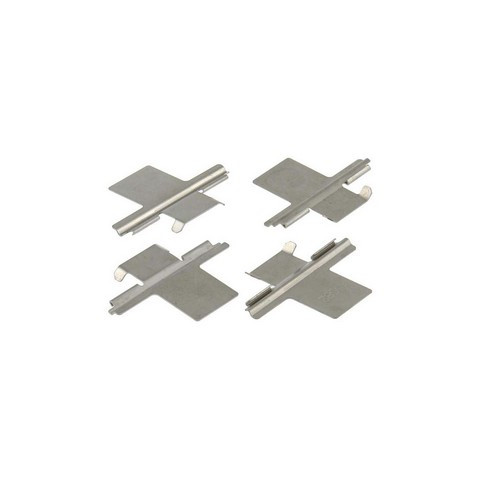
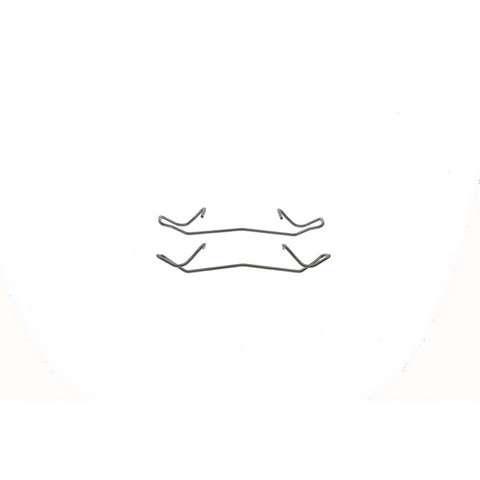
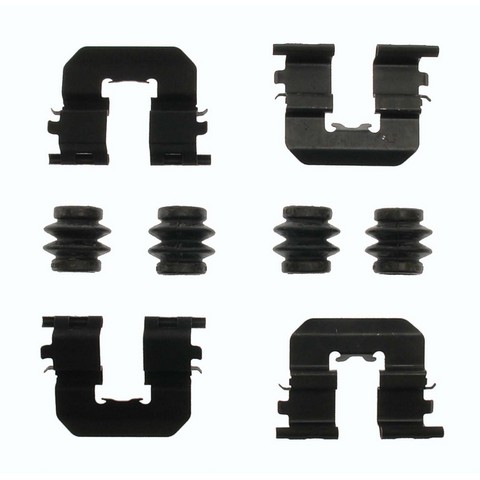
Carlson 13498Q rear brake hardware kit for the 2009-2010 Hyundai Sonata and other vehicles supplies the pad locating clips and rubber bushings for the rear brakes. Together they help the pads move in a uniform, stable motion instead of moving freely.
Rattling or squealing from the rear brakes, or pads that wear unevenly, can mean the clips and bushings are worn. A sticking caliper or a worn rotor can be behind those signs too, so find the cause before buying.
This kit is a direct replacement for the 2009-2010 Hyundai Sonata, the 2010-2011 Hyundai Azera and the 2007-2009 Kia Amanti, and each of them takes one kit. It matches Original Equipment (OE) quality specifications.
Fit and size
Build and materials
Four rubber bushings, four pad locating clips and dust boots.
Product information is for general reference and may contain errors. See our Disclaimer.
This part cross-references / interchanges with the following part numbers:
Is the Carlson 13498Q hardware kit right for the 2010-2011 Hyundai Azera?
Yes. Carlson 13498Q is a rear brake hardware kit listed for the 2010-2011 Hyundai Azera, and that vehicle takes one kit.
Does this disc brake hardware kit include caliper bushings?
Yes. Carlson 13498Q comes with four rubber bushings, four pad locating clips and dust boots.
What is the Carlson brake hardware kit made of?
The kit is stainless steel with a dual-coated PTFE/rubber finish. The PTFE side of the coating lowers friction, and the rubber side helps quiet the brakes.
How can I tell the clips on my rear brake pads are worn?
Rattling or squealing from the rear brakes, or pads that look unevenly worn, can mean the clips are worn. A shop can confirm it during a brake service.
Is this Carlson hardware kit for the front or rear brakes?
Rear. Carlson 13498Q is made for the rear brakes only, so it does not cover the front axle.
No reviews yet — be the first to review this product.
Write a ReviewWARNING: These products can expose you to chemicals including lead and phthalates, which are known to the State of California to cause cancer and birth defects or other reproductive harm. For more information go to www.P65Warnings.ca.gov.