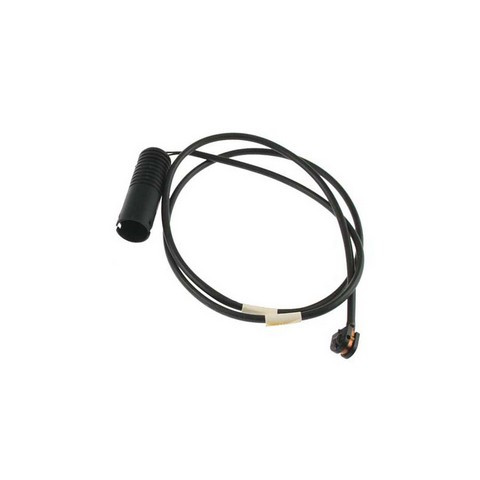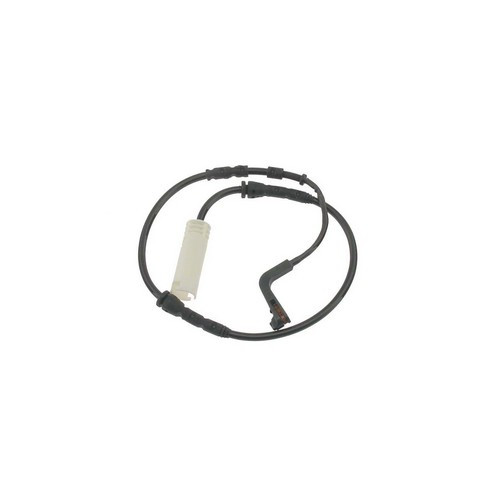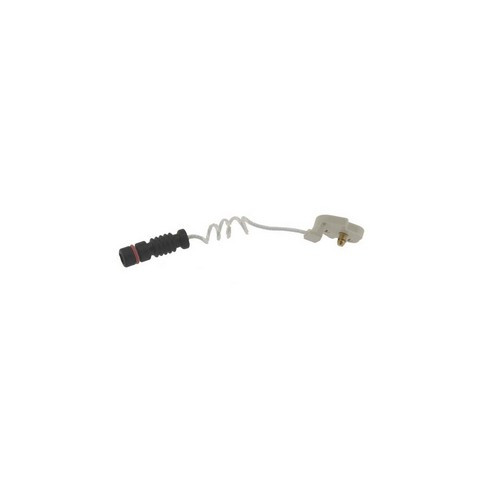
Carlson Disc Brake Pad Wear Sensor P/N:19078
Carlson 19003 brake pad wear sensor for the 1995 Mercedes-Benz E300 and other vehicles alerts you when the pads wear down. The sensor frays as the pads thin, which is the cue that new pads and hardware are due.
A brake wear alert can mean the pads have thinned enough to fray the sensor. Before you replace it, rule out a damaged harness or connector as the cause of the alert; a shop can test the circuit.
This sensor is listed for a wide range of Mercedes-Benz models, led by the 1995 Mercedes-Benz E300, the 1990-1993 300D and the 1986-1993 300E, and it matches OE quality specifications. A 1995 E300 takes two sensors, so order two and fit them together; this listing is one. For a car not named here, look up its year and model in the "Vehicles it fits" section.
Fit and size
Build and materials
Product information is for general reference and may contain errors. See our Disclaimer.
This part cross-references / interchanges with the following part numbers:
Does the Carlson 19003 fit the 1990-1993 Mercedes-Benz 300D?
Yes. Carlson 19003 is listed for the 1990-1993 Mercedes-Benz 300D. For another year or model, look it up in the "Vehicles it fits" section.
Can I reuse the Carlson 19003 disc brake pad wear sensor after changing pads?
No. The Carlson 19003 cannot be reused after a pad replacement, so it is changed along with the new brake pads and hardware.
How long is the wiring harness on this wear sensor?
The wiring harness is 34-1/4 inches long. The sensor has one male connector and one male pin terminal.
What happens to the Carlson 19003 sensor as the brake pads wear down?
The sensor becomes frayed as the pads wear, and that alerts the driver that new brake pads and hardware are due.
Is the Carlson 19003 wear sensor for the front or the rear brakes?
It is listed for both front and rear positions. A 1995 Mercedes-Benz E300 takes two, so order two; this listing is one sensor.
No reviews yet — be the first to review this product.
Write a ReviewWARNING: These products can expose you to chemicals including lead and phthalates, which are known to the State of California to cause cancer and birth defects or other reproductive harm. For more information go to www.P65Warnings.ca.gov.