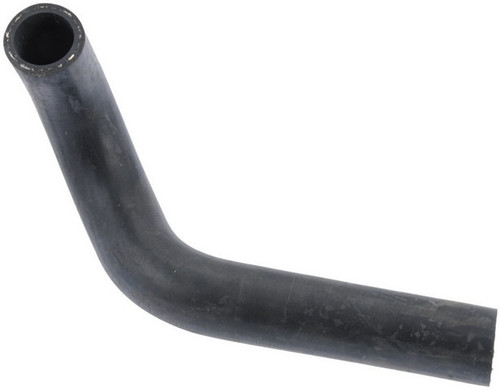
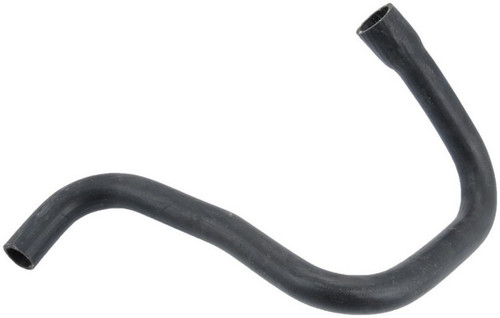
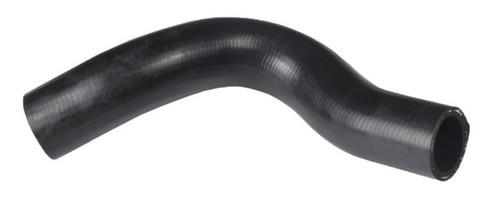
Continental Radiator Coolant Hose P/N:62156
CONTITECH 62715 upper radiator coolant hose for the 2002-2006 Honda CR-V 4-cylinder 2.4L carries glycol-based coolant through the cooling system.
Coolant seeping from the hose, a hose that feels soft or swollen, or a coolant level that keeps dropping can mean the hose is wearing out. A leak elsewhere in the cooling system can look the same, so with the engine off and cool, inspect the hose and its ends for cracks, bulges and damp spots before replacing it. A shop can pressure test the system if the cause is unclear.
Built in the exact OEM configuration, this hose is a direct-fit replacement for the 2002-2006 Honda CR-V 4-cylinder 2.4L. That vehicle takes one.
Fit and size
Build and materials
Interchange: M-62715
B001C9F9LS · E72142 · 22848 · 19501PNB000 · 88764
Product information is for general reference and may contain errors. See our Disclaimer.
This part cross-references / interchanges with the following part numbers:
Is the CONTITECH 62715 upper radiator hose the right one for a 2002-2006 Honda CR-V 4-cylinder 2.4L?
Yes. CONTITECH 62715 is listed as the upper radiator coolant hose for the 2002-2006 Honda CR-V 4-cylinder 2.4L, and that vehicle takes one.
What is the CONTITECH 62715 coolant hose made of?
The tube and cover are EPDM over a synthetic reinforcement. The hose is built to meet or exceed SAE 20R4EC Class D1 specifications.
What are the length and inside diameter of this upper radiator coolant hose?
This hose is 18.120 inches long and has a 1.190-inch inside diameter.
Does CONTITECH 62715 replace number 19501PNB000?
Yes. CONTITECH 62715 replaces 19501PNB000, and the other cross-referenced numbers are on the Interchange line.
What should I look for on an old upper radiator coolant hose?
Look for cracks, a bulge, a soft or mushy spot, or coolant residue at the ends. Inspect only with the engine off and cool; a shop can pressure test the system for leaks.
No reviews yet — be the first to review this product.
Write a Review
WARNING: These products can expose you to chemicals including lead and phthalates, which are known to the State of California to cause cancer and birth defects or other reproductive harm. For more information go to www.P65Warnings.ca.gov.