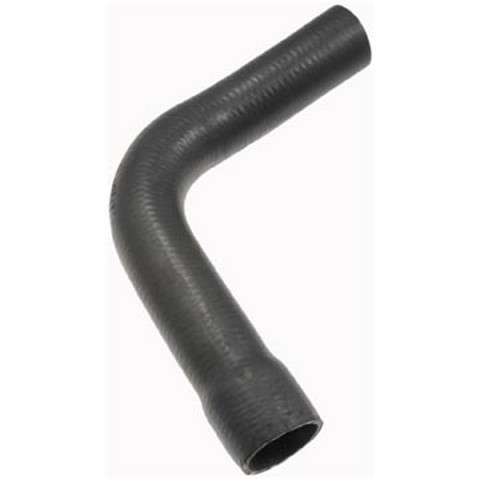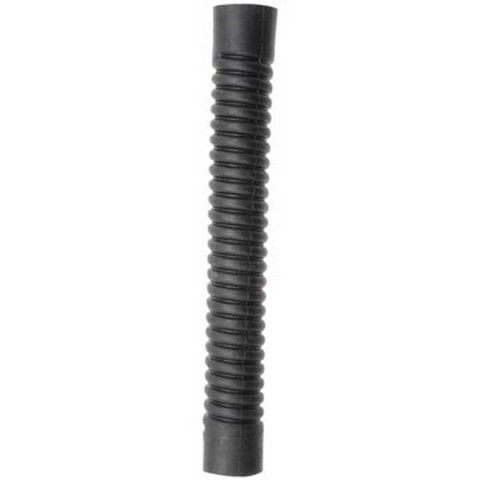
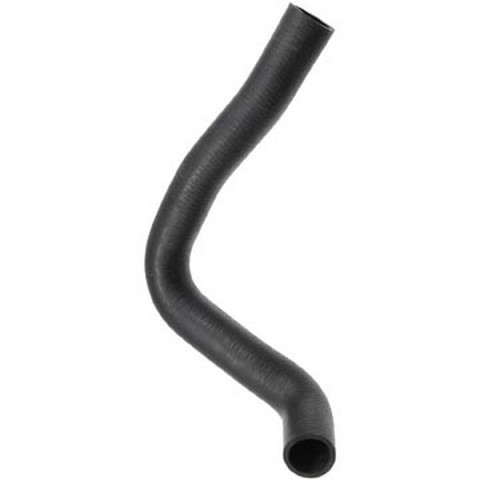
Dayco Radiator Coolant Hose P/N:70539
Keep coolant moving between the radiator and engine with the Dayco coolant hose 81151, a standard flex radiator hose built to bend and route through the cooling system on many vintage and modern vehicles. As a Dayco flex radiator hose, it flexes to follow the path between the radiator and engine, serving upper or lower radiator hose positions depending on the vehicle.
It fits many vehicles, among them the 1964-1970 Ford Mustang 4.1L / 4.3L / 4.7L / 5.0L and 1970-1974 Dodge Charger 3.7L. See the "Vehicles it fits" section for the full list. Signs your original hose may need replacing include cracks, bulges, soft spots, or coolant leaks.
Interchange: L52-11214
L5211214 · 31635 · RH3 · 40 · 504 · C6414 · 613 · 25476 · FH42 · 52413 · 1214 · 6014 · 6M13 · KB140 · FF206 · 110 · FC504
Product information is for general reference and may contain errors. See our Disclaimer.
This part cross-references / interchanges with the following part numbers:
What are the dimensions of the Dayco 81151 radiator hose?
It has a 1.50 in inside diameter at both ends and a 13.88 in centerline length.
Is this an upper or lower radiator hose?
It's cataloged for both upper and lower radiator hose positions, including pipe-to-radiator, pipe-to-engine, and water-pump-to-pipe runs, depending on the application.
What does a radiator coolant hose do?
It carries engine coolant between the radiator and the engine's cooling system, allowing heat to be dissipated through the radiator.
Will this fit my vehicle?
It fits many vehicles, including the 1964-1970 Ford Mustang 4.1L / 4.3L / 4.7L / 5.0L and 1970-1974 Dodge Charger 3.7L. Check the "Vehicles it fits" section to confirm your exact vehicle.
How do I know when to replace the hose?
Signs it may need replacing include cracks, bulges, soft or spongy spots, and coolant leaks or seepage where the hose runs.
No reviews yet — be the first to review this product.
Write a Review
WARNING: These products can expose you to chemicals including lead and phthalates, which are known to the State of California to cause cancer and birth defects or other reproductive harm. For more information go to www.P65Warnings.ca.gov.