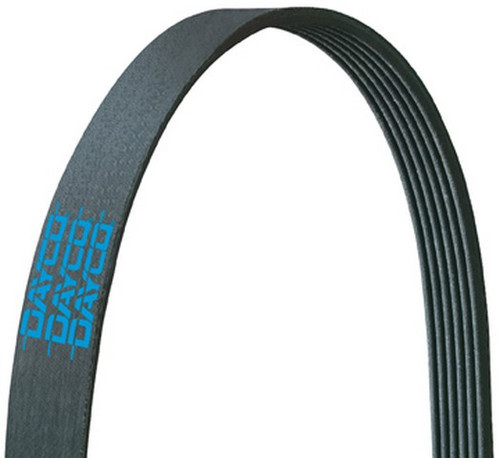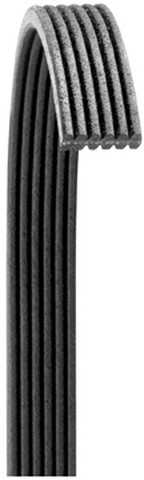
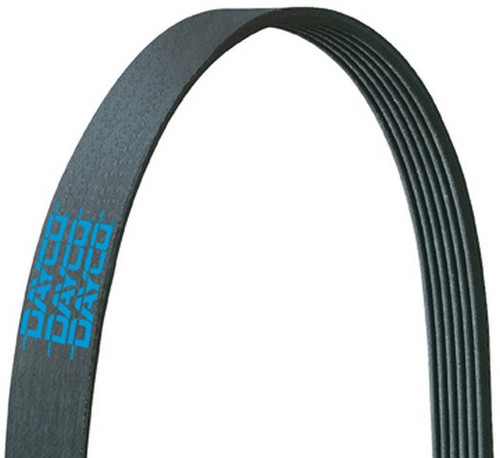
Dayco Serpentine Belt P/N:5061015
Dayco 6060520 serpentine belt for the 2002-2004 Volkswagen Jetta V6 2.8L and other vehicles turns the engine's belt-driven accessories on the main drive.
Cracks, fraying, glazed ribs or a squeal when the engine starts can mean the belt is worn. A weak tensioner, a seized idler pulley or a failing accessory pulley can produce squeal and belt wear as well, so find the cause before you buy a belt.
This serpentine belt is a direct-fit replacement for the 2002-2004 Volkswagen Jetta V6 2.8L, the 2002-2005 Volkswagen Golf V6 2.8L and the 2004-2006 Audi TT Quattro V6 3.2L. A 2002-2005 Volkswagen Golf V6 2.8L takes one belt, as does each of these cars.
Fit and size
Build and materials
Interchange: 25-D060519
6DK519 · DK060519 · D4060519 · PDK060519 · 520KK6
Product information is for general reference and may contain errors. See our Disclaimer.
This part cross-references / interchanges with the following part numbers:
Is this the serpentine belt for a 2002-2004 Volkswagen Jetta V6 2.8L?
Yes. Dayco 6060520 is a direct-fit serpentine belt for the 2002-2004 Volkswagen Jetta V6 2.8L, which takes one.
Is this a VW Golf serpentine belt in the 2002-2005 V6 2.8L range?
Yes. Dayco 6060520 is a direct-fit serpentine belt for the 2002-2005 Volkswagen Golf V6 2.8L, and the Golf takes one.
Is this Dayco serpentine belt double sided?
Yes. Dayco 6060520 has a double-sided K-section and a straight, double-sided rib profile with standard rib depth.
What operating temperature range does this Dayco drive belt have?
Its operating range is -45 F to 212 F (-42.7 C to 100 C). The belt is EPDM, aramid reinforced, and its standards are SAE J1459 and SAE J2432.
What should I look for on an old serpentine belt before replacing it?
With the engine off and cool, look for cracks, fraying or glazed ribs on the belt. A squeal in normal driving can also come with a worn belt.
No reviews yet — be the first to review this product.
Write a Review
WARNING: These products can expose you to chemicals including lead and phthalates, which are known to the State of California to cause cancer and birth defects or other reproductive harm. For more information go to www.P65Warnings.ca.gov.