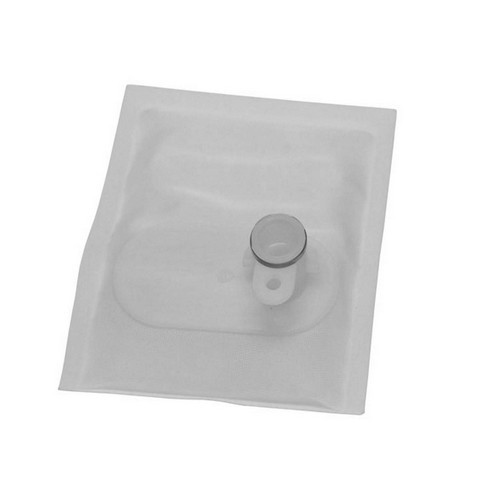
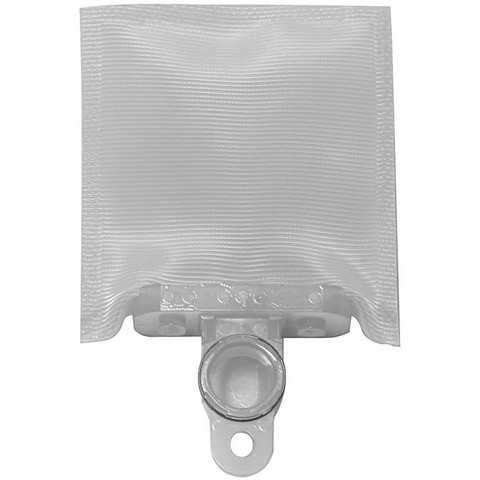
DENSO Auto Parts 952-0010 fuel pump strainer for the 2000-2001 Mazda MPV V6 2.5L, the 2002-2006 MPV V6 3.0L and other vehicles strains debris out of the fuel on its way to the pump. It is a direct-fit replacement for the vehicles named below.
- Strains debris from the fuel drawn toward the pump
- Fitting inside diameter of 0.430 in
- 145 mm long and 2.17 in wide
Quick facts
- Part: DENSO Auto Parts 952-0010 fuel pump strainer
- Fits: 2000-2001 Mazda MPV V6 2.5L, the 2002-2006 MPV V6 3.0L and other vehicles
A restricted strainer can limit the fuel reaching the pump, which may show up as hard starting, hesitation under load or a louder pump. Those signs have other possible causes, so look first at the tank level and the fuel pump fuse and relay with the engine off; a shop can test fuel pressure. If a clogged strainer is the cause, this one replaces it.
Fits
It fits the 2000-2001 Mazda MPV V6 2.5L, the 2002-2006 MPV V6 3.0L, the 1999-2001 Mazda Protege 4-cylinder 1.6L, the 1999-2000 Protege 4-cylinder 1.8L, the 2001-2003 Protege 4-cylinder 2.0L and the 2002-2003 Mazda Protege5 4-cylinder 2.0L. The 2002-2006 MPV V6 3.0L takes one strainer.
Specifications
- Length: 145 mm
- Width: 2.17 in
- Fitting inside diameter: 0.430 in
- Quantity per vehicle: 1
- Country of origin: Japan
Product information is for general reference and may contain errors. See our Disclaimer.
This part cross-references / interchanges with the following part numbers:
FS210, FS231, 68021, STS316, STS324, FS0194, STR46, STR85
Frequently Asked Questions
Is the DENSO 952-0010 fuel pump strainer the right one for a 1999-2001 Mazda Protege 4-cylinder 1.6L?
Yes. DENSO Auto Parts 952-0010 fits the 1999-2001 Mazda Protege 4-cylinder 1.6L.
Will this fuel pump strainer fit the 2002-2006 Mazda MPV V6 3.0L?
Yes. DENSO Auto Parts 952-0010 fits the 2002-2006 Mazda MPV V6 3.0L, which takes one strainer.
What is the fitting inside diameter of this DENSO fuel pump strainer?
The fitting inside diameter is 0.430 in. The strainer measures 145 mm long and 2.17 in wide.
Could hard starting and hesitation come from a clogged fuel pump strainer?
They can, since a restricted strainer limits the fuel reaching the pump. Other fuel-system faults share those signs, so a shop can test fuel pressure to find the cause.
Where is the DENSO 952-0010 fuel pump strainer made?
DENSO Auto Parts 952-0010 lists Japan as its country of origin.