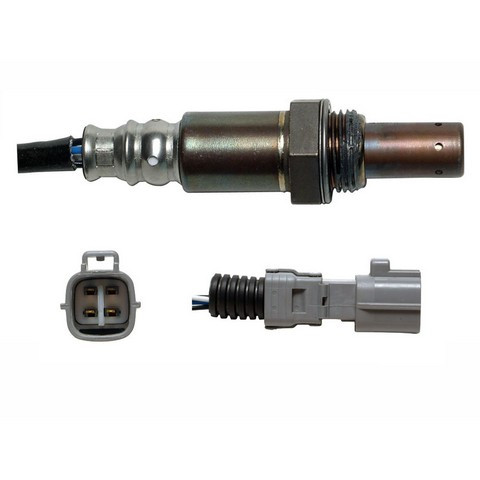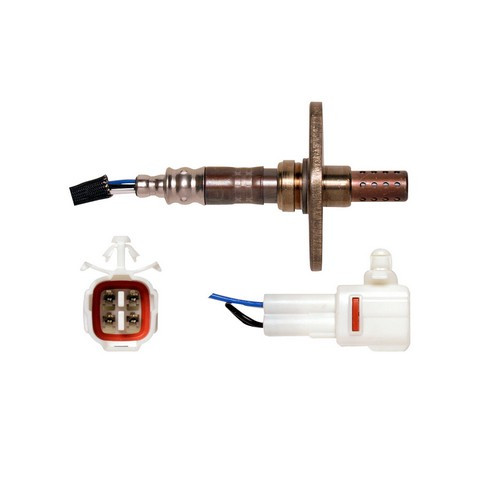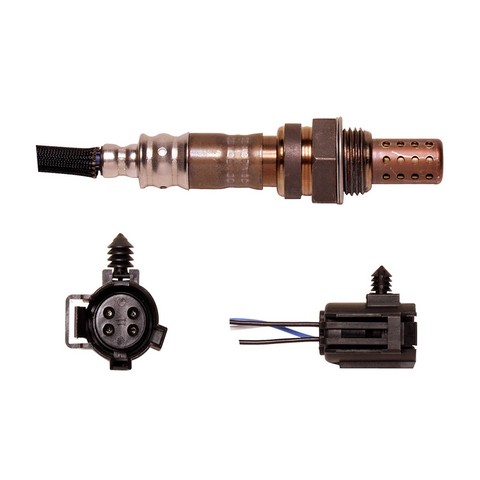
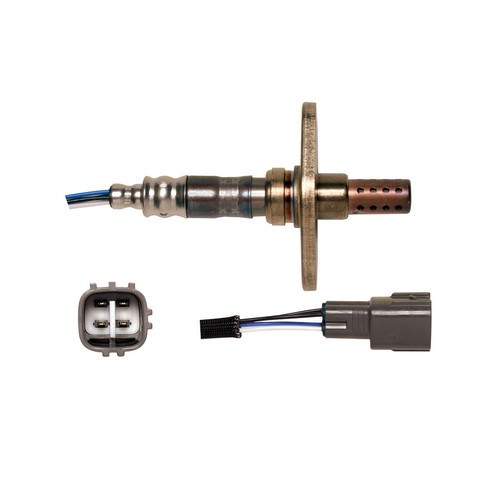
DENSO Auto Parts Oxygen Sensor P/N:234-4155
DENSO Auto Parts 234-4021 oxygen sensor for the 1996-2000 Dodge Grand Caravan V6 3.0L, 3.3L or 3.8L, the 1997 Grand Caravan 4-cylinder 2.4L and other vehicles measures the oxygen left in the exhaust and reports it to the engine computer.
A check engine light, a rough idle or higher fuel use can mean an oxygen sensor is wearing out. Those signs alone do not prove this sensor is at fault, because a vacuum leak is another common culprit.
It is a direct-fit sensor, built and tested to OE standards, for the 1996-2000 Chrysler Town & Country V6 3.3L or 3.8L as well as the vans named above, and each takes a single downstream sensor. Open the "Vehicles it fits" section to check your exact model and engine.
Fit and size
Build and materials
Product information is for general reference and may contain errors. See our Disclaimer.
This part cross-references / interchanges with the following part numbers:
Is this a Dodge Caravan oxygen sensor for 1996-2000 models with the V6 3.0L or 3.3L?
Yes. DENSO Auto Parts 234-4021 fits the 1996-2000 Dodge Caravan V6 3.0L or 3.3L. Open the "Vehicles it fits" section to find other engines and years.
Can I use this as an oxygen sensor replacement on a 1997 Dodge Grand Caravan 4-cylinder 2.4L?
Yes. The 1997 Dodge Grand Caravan 4-cylinder 2.4L is covered by DENSO Auto Parts 234-4021, a downstream sensor that takes one per vehicle.
Is the 234-4021 heated, and how many wires does it have?
Yes, it is a heated narrow-band sensor with four wires and a female connector. The wire harness is 12.01 in long.
How can I tell a downstream oxygen sensor is wearing out?
A check engine light, a rough idle or higher fuel use can mean it is wearing out. A shop can scan the codes and test the sensor.
What thread diameter does this downstream oxygen sensor use?
Its thread diameter is 0.708 in, and it mounts by threading into place.
No reviews yet — be the first to review this product.
Write a Review
WARNING: These products can expose you to chemicals including lead and phthalates, which are known to the State of California to cause cancer and birth defects or other reproductive harm. For more information go to www.P65Warnings.ca.gov.