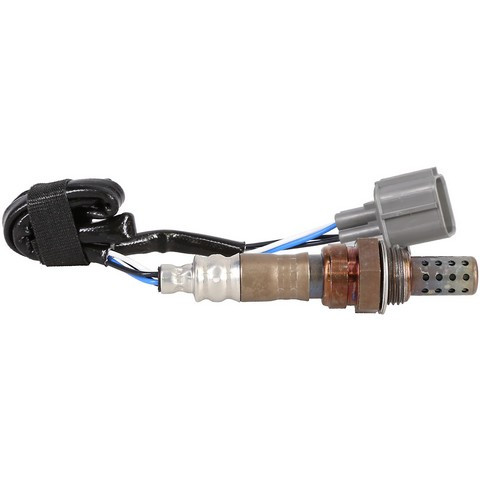
DENSO Auto Parts 234-4065 oxygen sensor for the 1995-1997 Honda Accord V6 2.7L and other vehicles reads the oxygen content of the exhaust so the engine computer can adjust fueling. It is built and tested to OE standards, and each component is made for an exact replacement.
- Laser-welded stainless housing resists corrosion
- PTFE filter blocks contaminants under harsh engine conditions
- Dual-layer protection shields the ceramic element for fast, reliable response times
- Aluminum oxide trap layer protects the ceramic element from silicone and lead poisoning
- Heated narrow-band design with four wires and a 20.47 inch wire length
Quick facts
- Part: DENSO Auto Parts 234-4065 oxygen sensor
- Fits: 1995-1997 Honda Accord V6 2.7L and other vehicles
- Position: upstream, downstream, upstream right, upstream rear
- Condition: New
A failing oxygen sensor can show up as a check engine light, poor fuel economy or a rough idle, but those signs can have other causes. With the engine off and cool, look over the wire and connector you can see for cracks or melted insulation before you decide; if this sensor is the cause, this one replaces it.
Fits
This direct-fit, heated oxygen sensor also fits the 1996-2000 Honda Civic 4-cylinder 1.6L and the 1996-2003 Acura RL V6 3.5L.
Specifications
Fit and size
- Position: upstream, downstream, upstream right, upstream rear
- Thread diameter: 0.708 inch
- Wire length: 20.47 inch
- Wire quantity: 4
- Connector gender: male
- Mounting type: threaded
- Quantity per application: 1
Build and materials
- Sensor type: narrow-band, heated
- Housing: laser-welded stainless
- Filter: PTFE
- Condition: New
- Country of origin: United States
In the box
This listing is one oxygen sensor, and the fitment takes one.
Product information is for general reference and may contain errors. See our Disclaimer.
Frequently Asked Questions
Is this the oxygen sensor for a 1995-1997 Honda Accord V6 2.7L?
Yes. DENSO Auto Parts 234-4065 is a direct-fit sensor for the 1995-1997 Honda Accord V6 2.7L. If your car is a different one, find its year and engine in the "Vehicles it fits" section.
Is this the oxygen sensor for a 1996-2000 Honda Civic 4-cylinder 1.6L?
Yes. This sensor fits the 1996-2000 Honda Civic 4-cylinder 1.6L, and the fitment takes one sensor.
Is this DENSO Auto Parts oxygen sensor heated?
Yes. DENSO Auto Parts 234-4065 is a heated, narrow-band oxygen sensor with four wires and a male connector.
What thread size does this oxygen sensor have?
The thread diameter is 0.708 inch, and the sensor mounts by threading in. The wire length is 20.47 inches.
What does the aluminum oxide layer do in this sensor?
The aluminum oxide trap layer is designed to protect the ceramic element from silicone and lead poisoning. A PTFE filter also blocks contaminants.