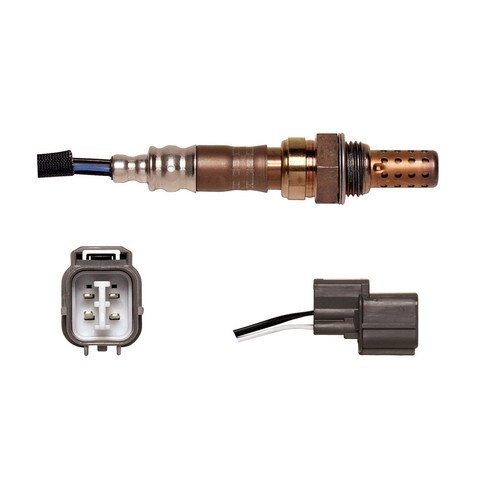
DENSO Auto Parts 234-4094 oxygen sensor for the 1999-2004 Honda Odyssey V6 3.5L and other vehicles measures the oxygen in the exhaust for the engine computer. Each sensor is built and tested to the strictest OE standards for an exact, first-time fit.
- Laser-welded stainless housing that resists corrosion
- PTFE filter that blocks contaminants under harsh engine conditions
- Dual-layer protection around the ceramic element for fast, reliable response times
- Aluminum oxide trap layer that protects the ceramic element from silicone and lead poisoning
- Heated, narrow-band design with four wires
Quick facts
- Part: DENSO Auto Parts 234-4094 oxygen sensor
- Fits: 1999-2004 Honda Odyssey V6 3.5L and other vehicles
- Position: upstream, downstream
- Condition: New
A check engine light, rough running or lower fuel economy can be signs of a worn oxygen sensor. Before you replace the sensor, rule out wiring damage, an exhaust leak or another fault that could light the same warning lamp.
Fits
As an oxygen sensor replacement for the 1999-2004 Honda Odyssey V6 3.5L, it is a direct-fit part. It also fits the 2000 Honda Insight 3-cylinder 1.0L and is an oxygen sensor for the 1992-1995 Honda Prelude 4-cylinder 2.2L.
Specifications
Fit and size
- Position: upstream, downstream
- Quantity per vehicle: 1
- Thread diameter: 0.708 in
- Mounting type: threaded
- Wiring harness length: 13.78 in
Build and materials
- Sensor type: narrow-band, heated
- Number of wires: 4
- Connector: female
- Housing: laser-welded stainless
- Condition: New
- Country of origin: United States
In the box
You receive a single oxygen sensor, and the fitment calls for one per car.
Product information is for general reference and may contain errors. See our Disclaimer.
Frequently Asked Questions
Is this oxygen sensor right for a 1999-2004 Honda Odyssey V6 3.5L?
Yes. DENSO Auto Parts 234-4094 is listed for the 1999-2004 Honda Odyssey V6 3.5L, and that engine takes one sensor.
Is this O2 sensor for the 1999-2004 Honda Odyssey V6 3.5L upstream or downstream?
Its position is listed as both upstream and downstream, and the 1999-2004 Honda Odyssey V6 3.5L takes one.
Is this oxygen sensor narrow-band or wideband?
It is a narrow-band sensor, and it is heated. It is a specific-fit sensor, not a universal one.
How many wires and how long is the harness on this heated oxygen sensor?
DENSO Auto Parts 234-4094 has four wires and a 13.78 in harness ending in a female connector. Its threaded mount has a 0.708 in thread diameter.
What does the aluminum oxide trap layer in this DENSO Auto Parts oxygen sensor do?
It is designed to protect the ceramic element from silicone and lead poisoning. The sensor also has a PTFE filter that blocks contaminants.