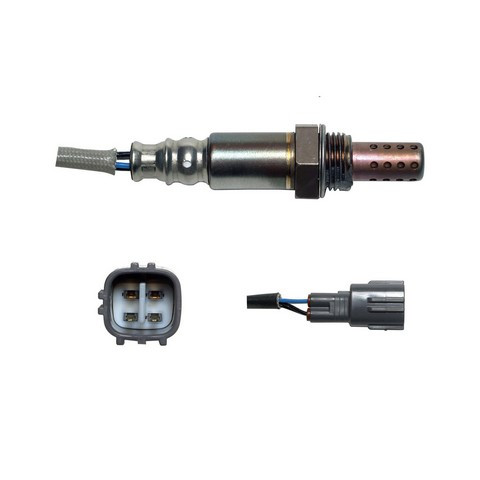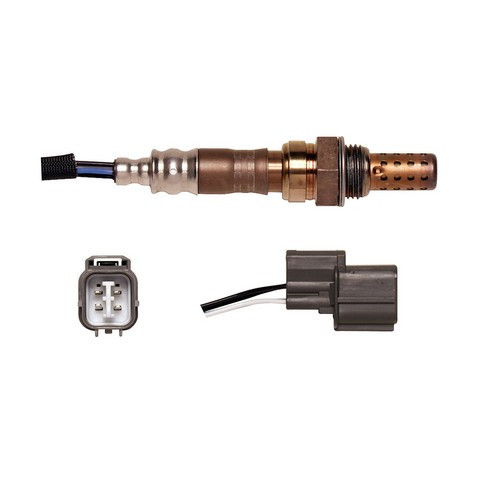
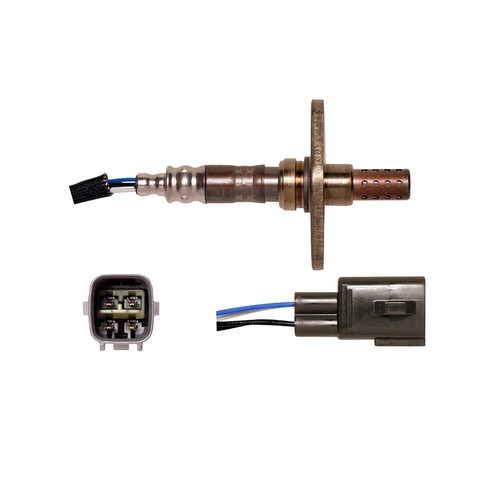
DENSO Auto Parts Oxygen Sensor P/N:234-4156
DENSO Auto Parts 234-4097 oxygen sensor for the 1996-2004 Acura RL V6 3.5L and other vehicles measures the oxygen left in the exhaust at the downstream position.
A worn oxygen sensor can show up as a check engine light, rough running or a drop in fuel economy, but problems elsewhere in the engine can look just like it. Before replacing it, look over the sensor wiring and connector with the engine off and cool, and leave code reading to a shop.
It is a direct-fit oxygen sensor for the 1996-2004 Acura RL V6 3.5L, the 1995-1998 Acura TL 5-cylinder 2.5L and the 1996-1998 TL V6 3.2L. This listing is a single sensor, and the 1996-2004 Acura RL V6 3.5L takes one.
Fit and size
Build and materials
Product information is for general reference and may contain errors. See our Disclaimer.
This part cross-references / interchanges with the following part numbers:
Does the DENSO Auto Parts 234-4097 fit the 1996-2004 Acura RL V6 3.5L?
Yes. DENSO Auto Parts 234-4097 is a direct-fit downstream oxygen sensor for the 1996-2004 Acura RL V6 3.5L.
Is this DENSO Auto Parts oxygen sensor heated?
Yes. The DENSO Auto Parts 234-4097 is a heated, narrow-band oxygen sensor with 4 wires and a male connector.
What thread size and wire length does this oxygen sensor have?
This sensor has a 0.708 inch thread diameter and a 30.31 inch wiring harness, with a threaded mounting type.
What protects the ceramic element inside this oxygen sensor?
Dual-layer protection shields the ceramic element, a PTFE filter blocks contaminants, and an aluminum oxide trap layer guards against silicone and lead poisoning.
Can a failing oxygen sensor turn on the check engine light?
Yes, it can, and rough running or lower fuel economy may go along with it, though other faults can look similar. A shop can read the codes to confirm.
No reviews yet — be the first to review this product.
Write a Review
WARNING: These products can expose you to chemicals including lead and phthalates, which are known to the State of California to cause cancer and birth defects or other reproductive harm. For more information go to www.P65Warnings.ca.gov.