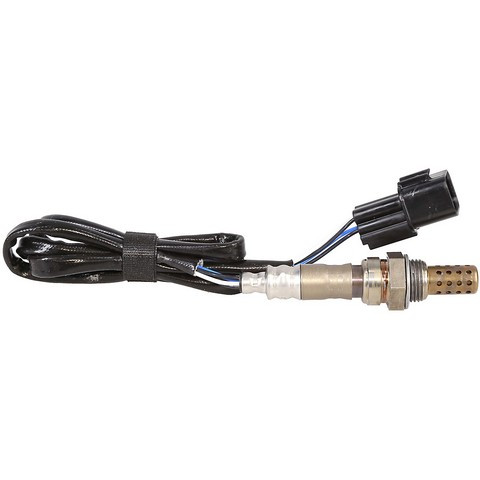
DENSO Auto Parts Oxygen Sensor P/N:234-4850
DENSO 234-4188 oxygen sensor for the 2008-2010 Mitsubishi Lancer 4-cylinder 2.0L and the 2009-2010 Lancer 4-cylinder 2.4L reads the oxygen level in the exhaust so the engine computer can adjust the fuel mixture. It is an upstream sensor with a heated, narrow-band design.
A check engine light, poorer fuel economy or a rough idle can mean the oxygen sensor is worn, though a leaking exhaust manifold gasket or a worn spark plug can also be behind them, so find the cause before you replace it.
This oxygen sensor is a direct fit for the 2008-2010 Mitsubishi Lancer L4-2.0L, the 2009-2010 Lancer L4-2.4L and the 2012-2013 Lancer L4-2.4L. This listing is one sensor, and the upstream position takes one on every engine listed.
Fit and size
Build and materials
Product information is for general reference and may contain errors. See our Disclaimer.
This part cross-references / interchanges with the following part numbers:
Does the DENSO 234-4188 fit the 2012-2013 Mitsubishi Lancer L4-2.4L?
Yes. DENSO 234-4188 is a direct-fit upstream sensor for the 2012-2013 Mitsubishi Lancer L4-2.4L, and also for the 2008-2010 Lancer L4-2.0L and the 2009-2010 Lancer L4-2.4L.
How many wires does this DENSO oxygen sensor have?
It has 4 wires with a male connector and a 25.08 in wiring harness. The sensor is heated.
Is the DENSO 234-4188 an upstream or downstream sensor?
DENSO 234-4188 is an upstream, narrow-band oxygen sensor. It mounts by thread and has a 0.708 in thread diameter.
What protects the ceramic element in a DENSO 234-4188?
Dual-layer protection shields the ceramic element, and DENSO's aluminum oxide trap layer guards it from silicone and lead poisoning. A PTFE filter blocks contaminants.
How can I tell if my oxygen sensor is going bad?
A check engine light, lower fuel economy or a rough idle can be signs. A shop can test the sensor's response, since that test needs the engine running.
No reviews yet — be the first to review this product.
Write a Review
WARNING: These products can expose you to chemicals including lead and phthalates, which are known to the State of California to cause cancer and birth defects or other reproductive harm. For more information go to www.P65Warnings.ca.gov.