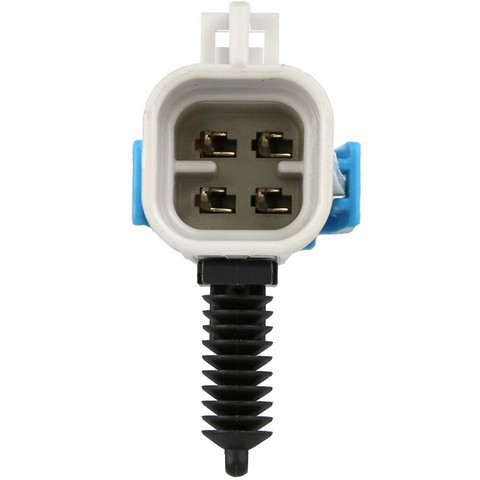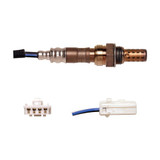
DENSO Auto Parts Oxygen Sensor P/N:234-4642
DENSO Auto Parts 234-4189 oxygen sensor for the 2000-2004 Toyota Tacoma 4-cylinder 2.4L, 2.7L or V6 3.4L senses the oxygen in the exhaust at the downstream position. It reports that reading to the engine computer.
A check engine light, poorer fuel economy or rough running can mean an oxygen sensor is wearing out. An exhaust leak, a damaged wire or a failing catalytic converter can be behind those signs too, so find the cause before you buy a sensor.
This downstream O2 sensor is a direct-fit replacement for the 2000-2004 Toyota Tacoma 4-cylinder 2.4L, 2.7L or V6 3.4L. This listing is one sensor; the 2000-2004 Toyota Tacoma 4-cylinder 2.4L, 2.7L or V6 3.4L takes one.
Fit and size
Build and materials
Product information is for general reference and may contain errors. See our Disclaimer.
Is this a 2001 Toyota Tacoma O2 sensor for the V6 3.4L?
Yes. DENSO Auto Parts 234-4189 is a downstream sensor for the 2000-2004 Toyota Tacoma 4-cylinder 2.4L, 2.7L or V6 3.4L, so 2001 is covered.
Will this work as a 2002 Toyota Tacoma O2 sensor on the 2.7L engine?
Yes. DENSO Auto Parts 234-4189 covers the 2000-2004 Toyota Tacoma 4-cylinder 2.7L, along with the 2.4L and the V6 3.4L.
How long is the wiring harness on this DENSO downstream oxygen sensor?
The wiring harness is 37.8 inches long. It is a heated, narrow-band sensor with four wires.
What does the aluminum oxide trap layer on this oxygen sensor do?
It is designed to protect the ceramic element from silicone and lead poisoning. A PTFE filter on the sensor also blocks contaminants.
How can I tell if my downstream oxygen sensor is going bad?
A check engine light or a drop in fuel economy can be signs. A shop can scan the codes and test the sensor to confirm.
No reviews yet — be the first to review this product.
Write a Review
WARNING: These products can expose you to chemicals including lead and phthalates, which are known to the State of California to cause cancer and birth defects or other reproductive harm. For more information go to www.P65Warnings.ca.gov.