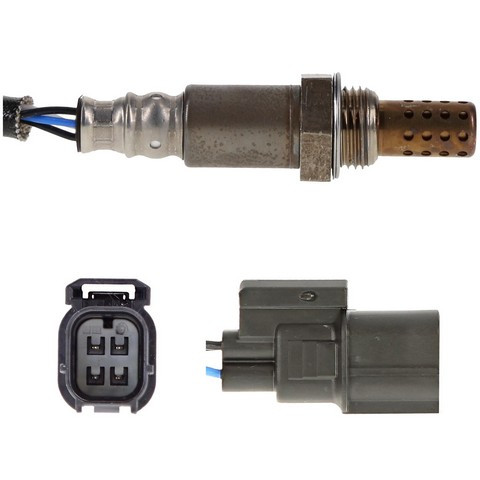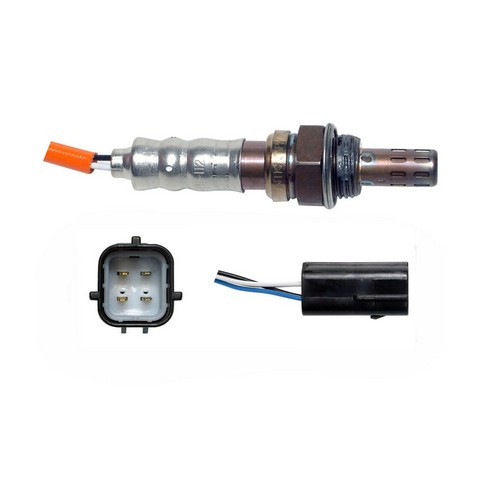
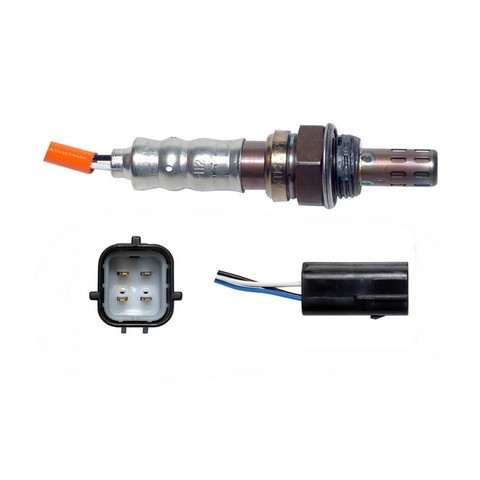
DENSO Auto Parts Oxygen Sensor P/N:234-8084
Give your engine computer a clear read on post-converter exhaust with the DENSO Oxygen Sensor 234-4466, a heated, narrow-band downstream sensor. It is a direct-fit replacement for the 2010-2012 Mazda CX-7 with the L4-2.5L engine, and the listed application uses one sensor.
Specifications: 4-wire heated, narrow-band design with a male connector, a 28.35-inch wiring harness, and threaded mounting with a 0.708-inch thread diameter. Country of origin: Japan.
As the downstream sensor, it sits after the catalytic converter and reports the oxygen content of the exhaust so the engine computer can monitor how the converter is operating. A check engine light with downstream oxygen sensor or heater circuit codes can be a sign this sensor may need replacing. Diagnose the cause before replacing, because wiring faults and exhaust leaks can set similar codes.
This part cross-references / interchanges with the following part numbers:
Which vehicle does the DENSO 234-4466 fit?
It is a direct-fit downstream oxygen sensor for the 2010-2012 Mazda CX-7 with the L4-2.5L engine. The listed application uses one sensor.
What does a downstream oxygen sensor do?
It mounts after the catalytic converter and measures oxygen in the exhaust. The engine computer uses that signal to monitor how the converter is operating.
Why is this sensor heated?
The built-in heater helps the sensor reach operating temperature sooner, so it can start reporting to the engine computer shortly after a cold start.
What are the connector and harness specs?
It has four wires with a male connector and a 28.35-inch wiring harness. It mounts by thread, with a 0.708-inch thread diameter.
What are signs this sensor may need replacing?
A check engine light with downstream oxygen sensor or heater circuit codes may point to this sensor. Diagnose the cause first, because wiring faults or exhaust leaks can set similar codes.
No reviews yet — be the first to review this product.
Write a Review
WARNING: These products can expose you to chemicals including lead and phthalates, which are known to the State of California to cause cancer and birth defects or other reproductive harm. For more information go to www.P65Warnings.ca.gov.