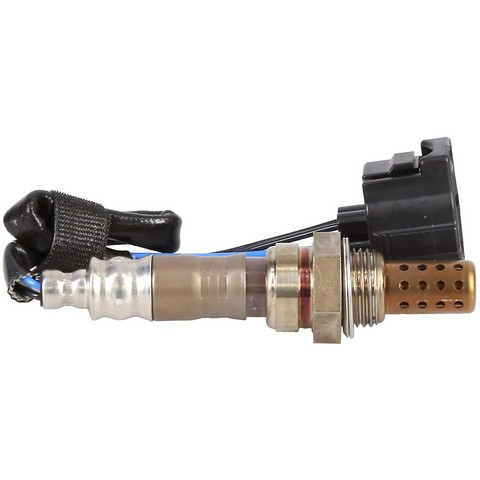
DENSO Auto Parts Oxygen Sensor P/N:234-4767
DENSO Auto Parts 234-4908 oxygen sensor for the 2017-2020 Toyota 86 H4 2.0L and other vehicles senses oxygen in the exhaust from the downstream position. It is a direct-fit, heated sensor made for specific applications.
A check engine light, rough running or poor fuel economy can mean this sensor is worn, though an exhaust leak or a wiring fault can produce the same signs. The car takes one sensor in the downstream position, and this listing is that one sensor.
It fits the 2017-2020 Toyota 86 H4 2.0L, the 2013-2020 Subaru BRZ H4 2.0L and the 2013-2016 Scion FR-S H4 2.0L.
Fit and size
Build and materials
Product information is for general reference and may contain errors. See our Disclaimer.
This part cross-references / interchanges with the following part numbers:
Is the DENSO Auto Parts 234-4908 oxygen sensor right for the 2013-2016 Scion FR-S H4 2.0L?
Yes. The DENSO Auto Parts 234-4908 is a downstream oxygen sensor for the 2013-2016 Scion FR-S H4 2.0L, and it also fits the 2013-2020 Subaru BRZ H4 2.0L.
Is this DENSO Auto Parts oxygen sensor heated?
Yes. The DENSO Auto Parts 234-4908 is a heated, narrow-band sensor with four wires and a male connector.
How long is the wiring and what thread does this oxygen sensor have?
The wiring harness is 20.24 inches long. This downstream oxygen sensor has a threaded mount with a 0.708 inch thread diameter.
What does the aluminum oxide trap layer do on this sensor?
The aluminum oxide trap layer is designed to protect the ceramic element of this oxygen sensor from silicone and lead poisoning.
How can I tell whether this downstream oxygen sensor needs attention?
A check engine light or a drop in fuel economy can be a sign. A shop can read the stored codes and test the sensor with the right equipment.
No reviews yet — be the first to review this product.
Write a Review
WARNING: These products can expose you to chemicals including lead and phthalates, which are known to the State of California to cause cancer and birth defects or other reproductive harm. For more information go to www.P65Warnings.ca.gov.