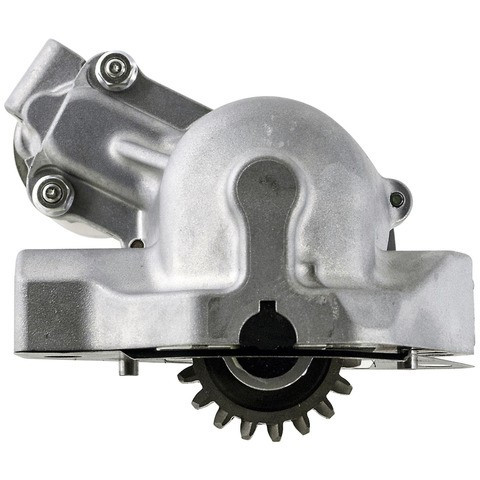
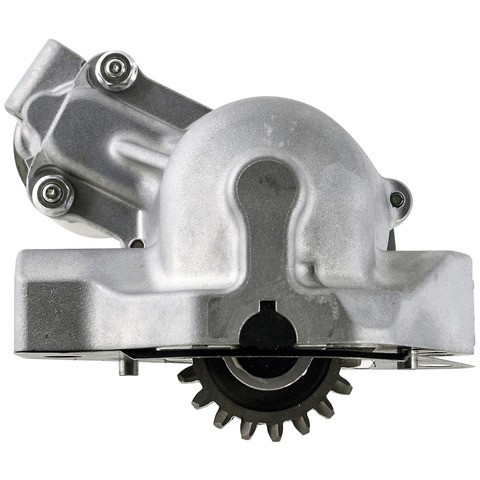
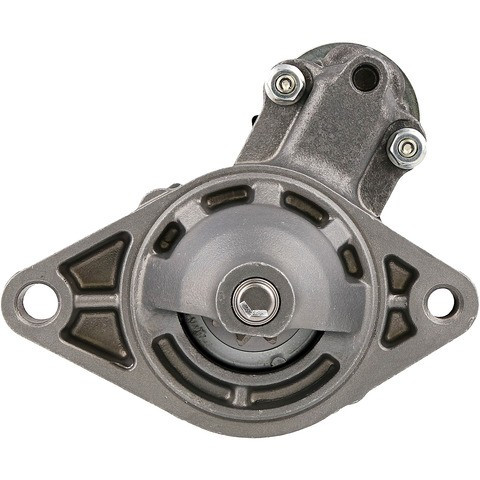
DENSO Auto Parts Starter P/N:280-0400
DENSO 280-0429 starter for the 2016-2020 Honda Pilot V6 3.5L and other vehicles turns the engine over so it can start. It is a remanufactured unit designed to deliver cranking torque in cold and hot weather.
Slow cranking, a single click or a grinding sound when you turn the key can mean the starter is wearing out. Before you replace the starter, rule out a weak battery, loose or corroded cable ends and a faulty ignition switch, since each of those can leave the engine slow or silent. The engine takes one starter.
The 2016-2020 Honda Pilot V6 3.5L, the 2014-2017 Honda Odyssey V6 3.5L and the 2014-2015 Acura MDX V6 3.5L all fit this starter, and so do other vehicles. Open the "Vehicles it fits" section to check your exact model and engine.
Fit and size
Build and materials
Product information is for general reference and may contain errors. See our Disclaimer.
This part cross-references / interchanges with the following part numbers:
Is this the Honda Pilot car starter for the 2016-2020 Honda Pilot V6 3.5L?
Yes. DENSO 280-0429 fits the 2016-2020 Honda Pilot V6 3.5L. This listing is one remanufactured starter.
Is this a Honda Odyssey starter that fits the 2014-2017 Honda Odyssey V6 3.5L?
Yes. DENSO 280-0429 fits the 2014-2017 Honda Odyssey V6 3.5L, and the engine takes one starter.
Which parts are new in this DENSO remanufactured starter?
The bearings, brushes and seals are all new. The terminals and fasteners are replaced with copper components.
How is the DENSO First Time Fit starter tested?
Armatures and field coils are high-voltage tested, and commutators are refinished and performance-validated. Each starter is also bench-tested.
How can I tell if a starter like this one is wearing out?
Slow cranking, a click with no crank or a grinding noise at startup can mean the starter is wearing out. A shop can test it on the vehicle.
No reviews yet — be the first to review this product.
Write a Review
WARNING: These products can expose you to chemicals including lead and phthalates, which are known to the State of California to cause cancer and birth defects or other reproductive harm. For more information go to www.P65Warnings.ca.gov.