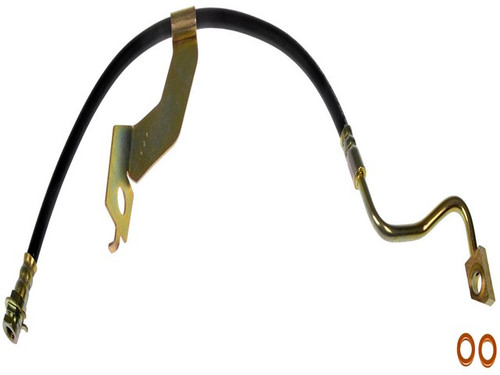
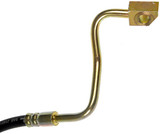
Dorman - First Stop Brake Hydraulic Hose P/N:H621004
Keep brake fluid flowing to the rear brakes with this Dorman brake hydraulic hose from the First Stop line, part number H620282, a direct-fit replacement for the 2001-2003 Mazda Protege and 2002-2003 Mazda Protege5. It is cataloged for the rear left and rear right positions. The flexible hose carries pressurized brake fluid from the rigid brake line to the brake at the wheel and flexes as the suspension moves.
A brake hose can crack, swell or seep as it ages. Signs this hose may need replacing include visible cracks or bulging in the rubber, brake fluid seepage at the hose or its fittings, or a soft or spongy brake pedal. These symptoms can have other causes, so inspect the system before you replace parts. The brakes must be bled after installation. Follow the vehicle service information for the procedure and fastener torque. See the "Vehicles it fits" section for full application details.
Interchange: 150.45340 · 350-80089
15045340 · 35080089 · 611682 · BH416490 · BK1T43980 · BH382425 · 2202616 · 2204429 · BH143996 · F143996
Product information is for general reference and may contain errors. See our Disclaimer.
This part cross-references / interchanges with the following part numbers:
Which vehicles does this brake hose fit?
It is a direct-fit replacement for the 2001-2003 Mazda Protege and 2002-2003 Mazda Protege5, cataloged for the rear left and rear right positions. Check the "Vehicles it fits" section to confirm your vehicle.
What does a brake hydraulic hose do?
It is the flexible link that carries pressurized brake fluid from the rigid brake line to the brake at the wheel. It lets the wheel and suspension move without straining the line.
What is this hose made of?
Dorman builds it with EPDM rubber and specially coated, corrosion-resistant fittings. Its materials are tested to government-regulated safety and durability standards.
What are signs a rear brake hose may need replacing?
Cracks, swelling or bulging in the rubber, fluid seepage at the hose or fittings, or a soft or spongy pedal can indicate a hose problem. These signs can have other causes, so inspect the system before replacing parts.
Do I need to bleed the brakes after installing it?
Yes, opening the hydraulic system lets air in, so the brakes must be bled after the hose is installed. Follow the vehicle service information for torque specs and for whether any sealing hardware should be replaced.
No reviews yet — be the first to review this product.
Write a Review
WARNING: These products can expose you to chemicals including lead and phthalates, which are known to the State of California to cause cancer and birth defects or other reproductive harm. For more information go to www.P65Warnings.ca.gov.