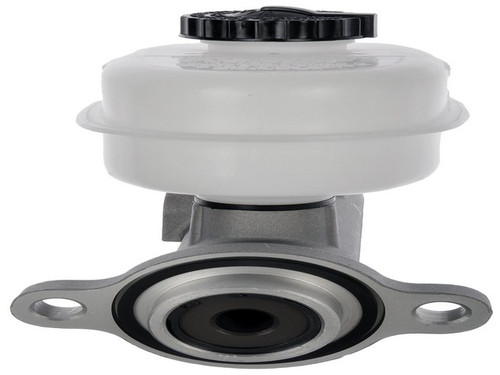
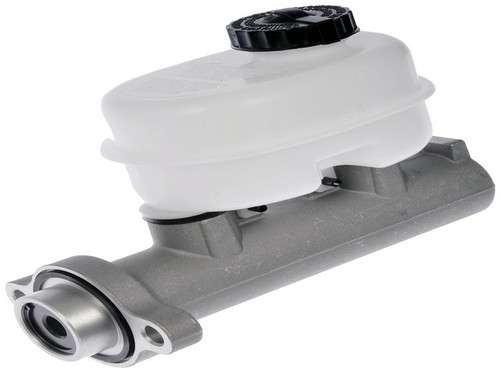
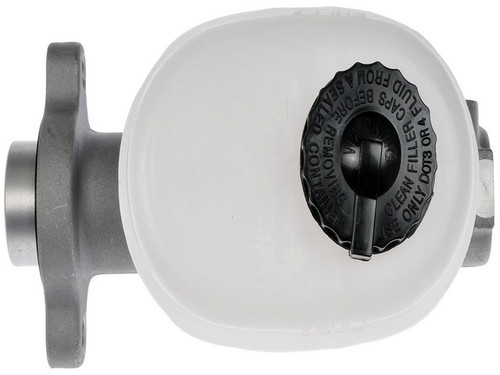
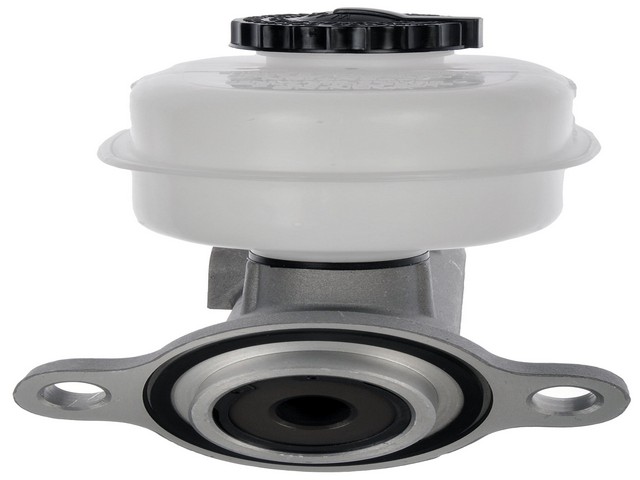
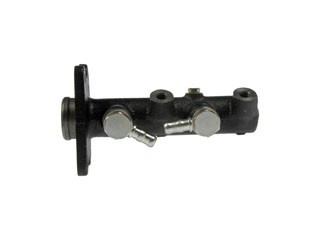
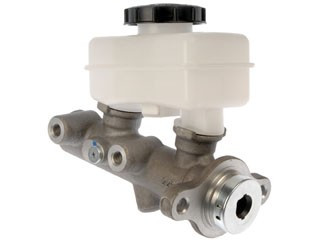
Turn pedal effort into hydraulic braking pressure with the Dorman brake master cylinder M390426 from Dorman - First Stop, a direct-fit replacement for the 1998-2001 Dodge Ram 1500, 2500 and 3500. It is precision-engineered to replicate the design, function and performance of the original master cylinder, and it is built from new, high-quality materials for a safe, durable replacement.
- Precise replacement: the cylinder housing is constructed to match the casting material of the original part for similar performance.
- Durable design: every rubber component uses a high-quality EPDM compound that resists glycol-based brake fluid.
- 100% new: made entirely of new materials for quality and safety.
- Strict specifications: built to meet rigorous SAE International standards.
The master cylinder converts the force applied at the brake pedal into hydraulic pressure, which moves brake fluid through the lines to the brakes at each wheel. If a leaking or internally worn unit is the cause of a spongy or sinking pedal, this Dorman master cylinder is designed to replace it. Diagnose the brake system first, because other components can cause similar symptoms. See the "Vehicles it fits" section for the full fitment chart.
Interchange: 83-40023 · 100-2680 · 13-2867 · 10-2867 · 130.67023 · 131.67023 · 355-40060
8340023 · 1002680 · 132867 · 102867 · 13067023 · 13167023 · 35540060 · 18M826 · M901060 · M87023 · 13442 · 5003321AA · 5003325AA · 5011256AB · MC250130 · 5011256 · M3060 · NM3060 · MC390426 · F134430 · MC134430
This part cross-references / interchanges with the following part numbers:
18M826, 83-40023, M901060, 100-2680, M87023, 13442, 13-2867, 10-2867, 130.67023, 131.67023, 5003321AA, 5003325AA, 5011256AB, MC250130, 355-40060, 5011256, M3060, NM3060, MC390426, F134430, MC134430
Frequently Asked Questions
Is this the right brake master cylinder for a 1998-2001 Dodge Ram 1500?
It is a direct-fit replacement for the 1998-2001 Dodge Ram 1500, and it is also listed for the 1998-2001 Dodge Ram 2500 and 3500. The "Vehicles it fits" section shows the full fitment chart.
What does a brake master cylinder do?
It converts the force applied at the brake pedal into hydraulic pressure, which sends brake fluid through the lines to the brakes at each wheel.
What is this master cylinder made of?
Its housing is constructed to match the casting material of the original part. All rubber components use an EPDM compound that resists glycol-based brake fluid, and it meets SAE International standards.
What are signs a master cylinder may need replacing?
Signs include a spongy or sinking brake pedal, fluid leaking around the unit, or a dropping fluid level. Other brake faults can cause similar symptoms, so diagnose the system first.
Do the brakes need to be bled after installation?
Yes. Air must be bled from the brake system after a master cylinder is replaced. Follow the vehicle service procedure, which commonly includes bench bleeding the unit before installation.