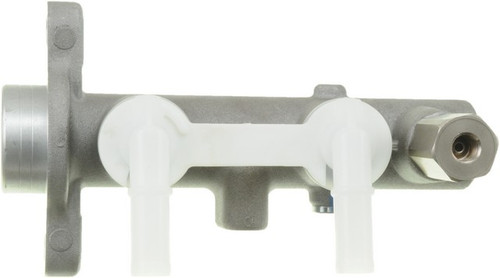
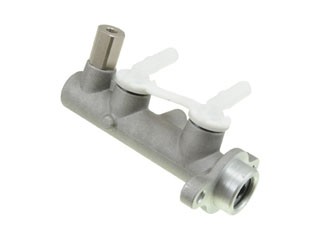
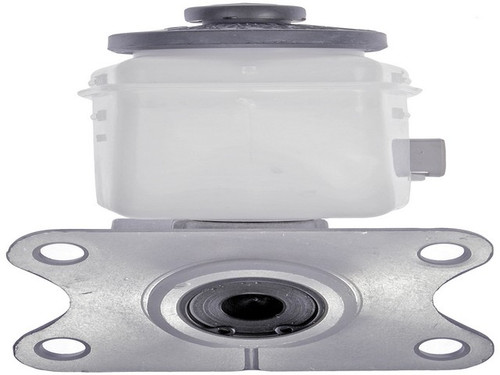
Dorman M390615 brake master cylinder for the 1999-2002 Nissan Quest and other vehicles turns pedal force into hydraulic pressure for the brakes.
- Part of the Dorman First Stop line
- Aluminum housing
- All rubber components are made of EPDM compound, which resists glycol-based brake fluid
- Made entirely of new materials
- Built to meet SAE International standards
Quick facts
- Part: Dorman M390615 brake master cylinder
- Fits: 1999-2002 Nissan Quest and other vehicles
- Material: Aluminum
- Condition: New
A soft or sinking brake pedal, or brake fluid around the cylinder, can point to a worn master cylinder. These signs alone do not prove the master cylinder is at fault, since a leaking brake line can cause a soft pedal too. Because this is a brake part, have a shop inspect the system promptly.
Fits
This master cylinder is a direct-fit replacement for the 1999-2002 Nissan Quest and the 1999-2002 Mercury Villager. A 1999-2002 Nissan Quest takes one master cylinder, and this listing is one.
Specifications
Fit and size
- Quantity per vehicle: 1
- Bore diameter: 1 in
- Number of outlets: 2
- Outlet threads: M10 x 1.0 (rearward and secondary), 1 mm primary outlet thread pitch
Build and materials
- Material: Aluminum
- Condition: New
- Reservoir: not included
- Sensor: not included
- Mounting hardware: not included
- Country of origin: Taiwan
In the box
One master cylinder. The reservoir, sensor and mounting hardware are not included, so plan on new mounting hardware, as the old pieces may not be reusable.
Product information is for general reference and may contain errors. See our Disclaimer.
Frequently Asked Questions
Is this the right brake master cylinder for the 1999-2002 Nissan Quest?
Yes. Dorman M390615 fits the 1999-2002 Nissan Quest and the 1999-2002 Mercury Villager, and the Quest takes one.
Does this Dorman master cylinder come with the reservoir?
No. This listing is one master cylinder. The reservoir, sensor and mounting hardware are not included.
What is this Dorman brake master cylinder made of?
Dorman M390615 has an aluminum housing, and all of its rubber components are EPDM compound, which resists glycol-based brake fluid.
Why does my brake pedal feel soft or sink toward the floor?
A soft or sinking pedal, or fluid leaking near the cylinder, can mean the master cylinder is worn. Brakes need prompt attention, so have a shop inspect them.
What size are the outlet threads on this master cylinder?
This master cylinder has two outlets with M10 x 1.0 threads and a 1 in bore, which is worth matching against your old unit.