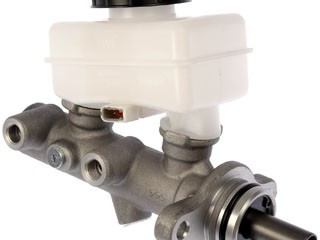
Dorman - First Stop Brake Master Cylinder P/N:M630623
Turn pedal effort into hydraulic pressure at the wheel brakes with this Dorman brake master cylinder, part number M630542 from the First Stop line. It is a direct-fit replacement for the 1999-2001 Honda CR-V and is built to mirror the original master cylinder's design, function and performance on those models. It is made from new, high-quality materials for a durable replacement.
The master cylinder is the heart of the hydraulic brake system. When you press the pedal, it pushes brake fluid through the lines to apply the brakes. Signs a Honda CR-V master cylinder may need replacing include a soft or slowly sinking pedal, brake fluid seeping at the cylinder, or a brake warning light. Diagnose the cause before replacing it, because leaking lines, worn calipers or air in the system can produce similar symptoms. Follow the vehicle service information for installation and brake bleeding.
Interchange: 100-1348 · 13-2978 · 11-2978 · 130.40046 · 355-59028
46100S10951 · 46100S10952 · M55144 · NM55144 · MC390540 · F142379 · MC142379 · 1001348 · 132978 · 112978 · 13040046 · 35559028
This part cross-references / interchanges with the following part numbers:
Will this Honda CR-V brake master cylinder fit my 1999-2001 CR-V?
Yes. M630542 is a direct-fit replacement for the 1999-2001 Honda CR-V. See the Buyer's Guide tab for the fitment details.
What does a brake master cylinder do?
It converts the force on the brake pedal into hydraulic pressure. That pressure pushes brake fluid through the lines to apply the brakes at each wheel.
What are the rubber components made of?
All rubber components are made of a high-quality EPDM compound, which resists glycol-based brake fluid.
What standards is this Dorman master cylinder built to?
It is made to meet rigorous SAE International standards. The housing is constructed to match the original part's casting material, and the unit is built entirely from new materials.
What are signs a master cylinder may need replacing?
Watch for a soft or sinking brake pedal, fluid leaks at the cylinder, or a brake warning light. Diagnose the cause first, because lines, calipers or air in the system can cause similar symptoms.
WARNING: These products can expose you to chemicals including lead and phthalates, which are known to the State of California to cause cancer and birth defects or other reproductive harm. For more information go to www.P65Warnings.ca.gov.