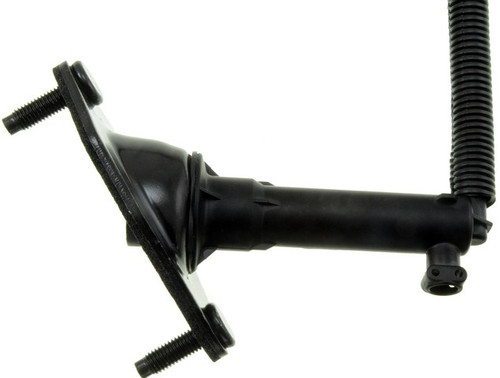
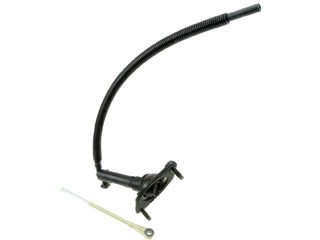
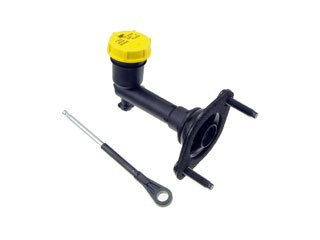
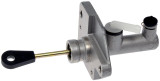
Dorman CM350113 clutch master cylinder for the 1997-1999 Dodge Dakota V8 5.2L, the 1997-2000 Dakota 4-cylinder 2.5L or V6 3.9L, the 1998-2000 Dakota V8 5.9L and the 2000 Dakota V8 4.7L turns pedal force into hydraulic pressure for the clutch. It replaces a master cylinder that leaks or no longer works.
- High-grade rubber components compatible with standard brake fluid
- Inside diameter of 18 mm
- Reverse-engineered, precision design for reliable function
- Standard replacement grade
Quick facts
- Part: Dorman CM350113 clutch master cylinder
- Fits: the 1997-1999 Dodge Dakota V8 5.2L, the 1997-2000 Dakota 4-cylinder 2.5L or V6 3.9L, the 1998-2000 Dakota V8 5.9L and the 2000 Dakota V8 4.7L
- Condition: New
A clutch pedal that feels soft, sinks toward the floor or leaves the transmission hard to shift can mean the master cylinder is leaking or worn. A worn slave cylinder, a leaking hydraulic line or a tired clutch disc can be behind the same signs, so find the cause before you buy.
Fits
This Dorman clutch master cylinder is a direct replacement for the vehicles named above, and its design is reverse-engineered from original equipment. The 1998-2000 Dodge Dakota V8 5.9L takes one.
Specifications
Fit and size
- Inside diameter: 18 mm
- Quantity per vehicle: 1
Build and materials
- Item grade: standard replacement
- Rubber components: compatible with standard brake fluid
- Condition: New
- Country of origin: China
In the box
One clutch master cylinder.
Product information is for general reference and may contain errors. See our Disclaimer.
Frequently Asked Questions
Does this Dodge Dakota clutch master cylinder fit the 2000 Dakota V8 4.7L?
Yes. Dorman CM350113 fits the 2000 Dodge Dakota V8 4.7L, and that truck takes one.
Does the CM350113 come with a slave cylinder or brake fluid?
No. Dorman CM350113 is one clutch master cylinder only. A slave cylinder and brake fluid are not included.
What inside diameter does this clutch master cylinder have?
The inside diameter is 18 mm, which is the size to compare against your old cylinder.
Can this clutch master cylinder be used with standard brake fluid?
Yes. Its rubber components are made for compatibility with standard brake fluid.
How can I tell if a clutch master cylinder is leaking?
With the engine off, look for fluid around the cylinder and watch for a pedal that feels soft or sinks. A shop can confirm whether the cylinder is the cause.