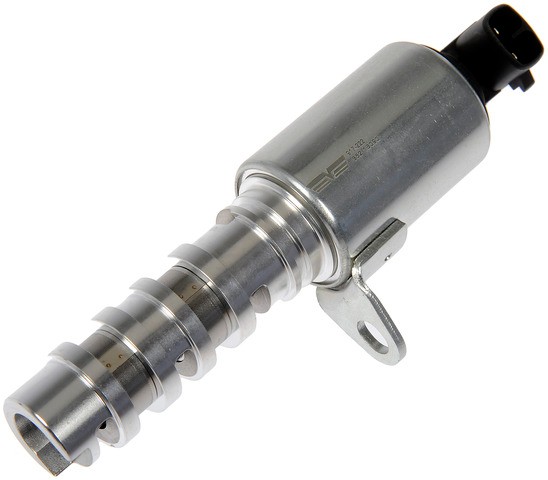
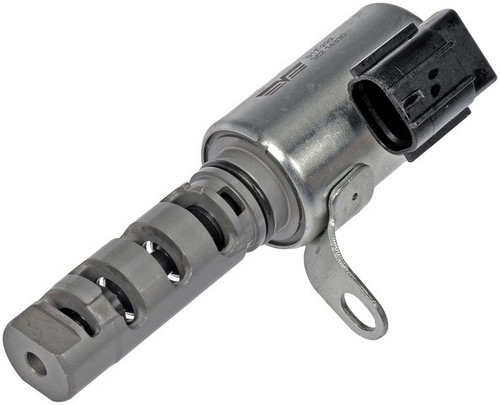
Dorman 917-222 variable timing solenoid for the 2007-2009 Ford Fusion V6 3.0L and other vehicles is an electromagnetic solenoid that helps control engine valve timing. This Dorman OE Solutions variable valve timing solenoid has been tested on the vehicle for proper performance.
- Dorman OE Solutions product line
- Electromagnetic activation on 12 volts DC
- Steel and plastic housing made of quality materials for a long service life
- Two female blade terminals with a male plug-and-socket connector
- Silver zinc-plated finish with a stainless steel solenoid finish
Quick facts
- Part: Dorman 917-222 variable timing solenoid
- Also called: engine variable timing solenoid
- Fits: 2007-2009 Ford Fusion V6 3.0L and other vehicles
- Material: Steel and plastic housing
- Condition: New
A sticking or failing variable timing solenoid can show up as a rough idle, a check engine light or uneven power. A clogged oil passage, a worn cam phaser or a wiring fault can be behind these signs as well, so track down the cause before you buy.
Fits
It is a direct-fit VVT solenoid replacement for the 2007-2009 Ford Fusion V6 3.0L and the 2007-2009 Mercury Milan V6 3.0L. The V6 3.0L in both cars takes two solenoids; this listing is one.
Specifications
Fit and size
- Quantity per vehicle: 2
- Overall height: 4.8 in
- Overall width: 1.1 in
- Tube length: 1.8 in
- Shaft diameter: 0.787 in
- Voltage: 12 V DC
Build and materials
- Activation type: Electromagnetic
- Housing material: Steel and plastic
- Solenoid finish: Stainless steel
- Color/finish: Silver, zinc-plated
- Terminals: 2 female blade terminals
- Connector: Male, plug and socket
- Condition: New
- Country of origin: China
In the box
One variable timing solenoid.
Interchange: 2-7100 · 190-046 · AL-208
2T1011 · VV1006 · 7V2000 · TS1011 · VVS1505 · 7T4Z6M280D · 7T4Z6M280FA · VVS142 · VTS1006 · L53006 · VVT106 · FD1416016
Product information is for general reference and may contain errors. See our Disclaimer.
This part cross-references / interchanges with the following part numbers:
2T1011, VV1006, 2-7100, 7V2000, TS1011, VVS1505, 7T4Z6M280D, 7T4Z6M280FA, VVS142, 190-046, AL-208, VTS1006, L53006, VVT106, FD1416016
Frequently Asked Questions
Will the Dorman 917-222 fit a 2007-2009 Mercury Milan V6 3.0L?
Yes. Dorman 917-222 fits the 2007-2009 Mercury Milan V6 3.0L, and the 2007-2009 Ford Fusion V6 3.0L takes it too.
What voltage does the Dorman VVT solenoid 917-222 use?
Dorman 917-222 is a 12-volt DC solenoid with electromagnetic activation.
What is in the box with this Dorman OE Solutions variable valve timing solenoid?
The package contains one variable timing solenoid.
What connector does this Dorman engine variable timing solenoid use?
This solenoid has two female blade terminals and a male plug-and-socket connector.
What can a failing variable timing solenoid cause?
Possible signs include a rough idle, a check engine light or uneven power. A shop can test the solenoid to confirm whether it is the cause.