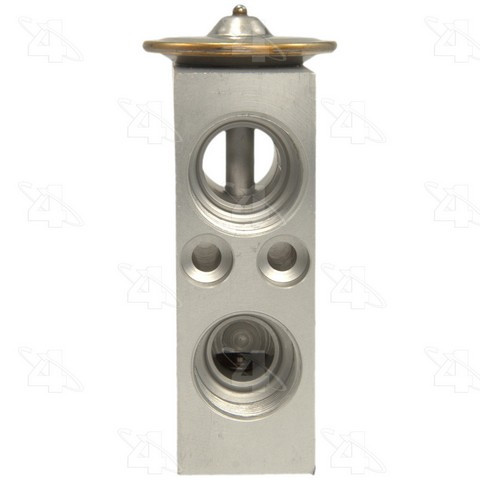
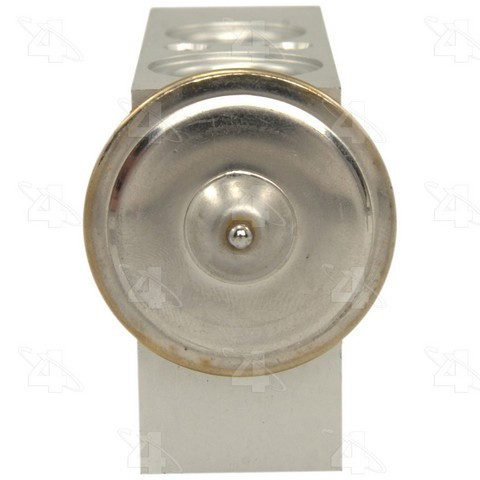
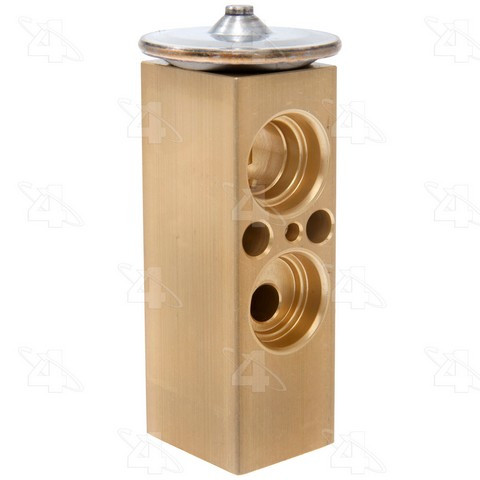
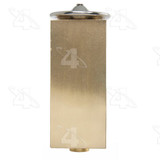
Four Seasons 38804 A/C expansion valve for the 1993-1997 Chevrolet Camaro and other vehicles meters refrigerant into the evaporator to cool the cabin.
- Block-type design without a solenoid
- Aluminum body with precision machined ports
- Calibrated for cabin comfort for both driver and passengers
- Two O-rings 24109 and two O-rings 24131 supplied for the replacement
Quick facts
- Part: Four Seasons 38804 A/C expansion valve
- Fits: 1993-1997 Chevrolet Camaro and other vehicles
- Material: Aluminum
- Condition: New
Weak cooling or vent air that stays warm can mean the expansion valve is failing. A low refrigerant charge, a worn compressor or a clogged condenser can be behind weak cooling too, so find the cause before buying. The A/C system takes a single valve.
Fits
It is a direct-fit replacement for the 1993-1997 Chevrolet Camaro and the 1993-1997 Pontiac Firebird, and it is built to meet or exceed O.E. fit, form and function requirements.
Specifications
Fit and size
- Quantity per vehicle: 1
- Liquid inlet: O-ring, size No. 8
- Suction inlet: insert O-ring, size No. 10
- Tonnage: 1.500
- Super heat: 7.000
Build and materials
- Type: block type, without solenoid
- Material: Aluminum
- Refrigerant type: R134A
- O-rings: 2 of 24109 and 2 of 24131
- Condition: New
- Country of origin: China
In the box
One A/C expansion valve with two O-rings 24109, two O-rings 24131 and the gaskets and seals for the application. Mounting hardware is not included, so plan on new fasteners rather than reusing old ones.
Product information is for general reference and may contain errors. See our Disclaimer.
Frequently Asked Questions
Is this Four Seasons 38804 expansion valve right for the 1993-1997 Chevrolet Camaro?
Yes. Four Seasons 38804 is a direct-fit replacement for the 1993-1997 Chevrolet Camaro and the 1993-1997 Pontiac Firebird.
Does this Four Seasons expansion valve come with O-rings?
Yes. It comes with two O-rings 24109 and two O-rings 24131, plus gaskets and seals for the application. Mounting hardware is not included.
Does the 38804 A/C expansion valve have a solenoid?
No. Four Seasons 38804 is a block-type expansion valve without a solenoid. It has an aluminum body and is made for R134A refrigerant.
What can a failing A/C expansion valve do to cooling?
It can leave the vents warm or cooling unevenly, since the valve meters refrigerant into the evaporator. A shop can test the system to confirm.
What refrigerant does this block-type expansion valve use?
This valve is for R134A refrigerant. It is rated at 1.500 tonnage with a super heat of 7.000.