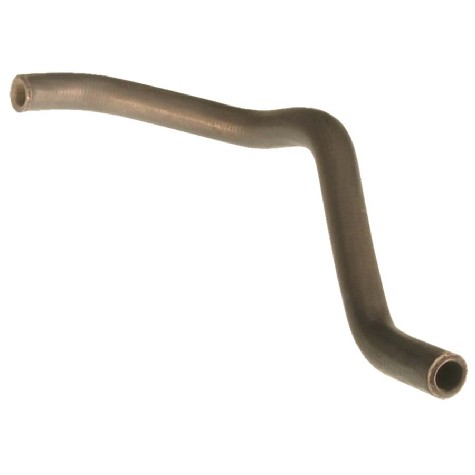
Gates HVAC Heater Hose P/N:19240
Gates 18850 heater hose for the 1990-1993 Honda Accord 4-cylinder 2.2L carries coolant between the engine and the heater control valve. This Gates molded heater hose is a factory-molded, OEM style hose made to fit smaller, tighter engine compartments.
A coolant leak, a cracked or swollen hose or a heater that blows cold can mean the HVAC heater hose is worn, though a failed thermostat or a clogged heater core can be behind the same signs, so find the cause before you replace the hose.
This heater hose is a direct-fit replacement for the 1990-1993 Honda Accord 4-cylinder 2.2L, and each car takes one.
Fit and size
Build and materials
Interchange: 16077M · 86122 · D86122 · 63152 · 79721SM1010 · 10850
Product information is for general reference and may contain errors. See our Disclaimer.
This part cross-references / interchanges with the following part numbers:
Is this Accord heater hose right for the 1990-1993 Honda Accord 4-cylinder 2.2L?
Yes. Gates 18850 is listed for the 1990-1993 Honda Accord 4-cylinder 2.2L and runs valve to engine and engine to heater control valve.
What temperature range does this Gates heater hose handle?
The Gates 18850 handles -40 °F to 275 °F (-40 °C to 135 °C). It meets SAE 20R3 Type EC Class D-1 and D-2 specifications.
What are the inside diameter and length of this molded heater hose?
Both ends have a 0.62 in (16 mm) inside diameter. The centerline length is 16.9 in (429 mm).
Can this heater hose carry fuel or oil?
No. It is for coolant, water and air applications and is also approved for marine use. It must not be used for fuel or oil transfer.
Do I need new clamps with a new heater hose?
Yes, plan on fresh hose clamps whenever a new coolant hose goes on. Old clamps are not recommended for reuse with the Gates 18850.
No reviews yet — be the first to review this product.
Write a Review
WARNING: These products can expose you to chemicals including lead and phthalates, which are known to the State of California to cause cancer and birth defects or other reproductive harm. For more information go to www.P65Warnings.ca.gov.