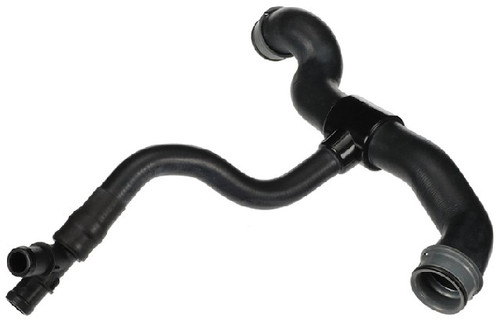
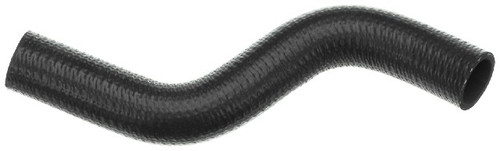
Gates Radiator Coolant Hose P/N:24229
Gates 22120 upper radiator coolant hose for the 1995-1999 Dodge Neon 4-cylinder 2.0L and other vehicles carries coolant between the engine and the radiator. This Gates molded coolant hose is made to OEM-quality specifications.
A worn upper hose can show up as cracks, swelling, soft spots or coolant seepage at the ends, so look it over with the engine cool. Overheating alone does not prove the hose is at fault, since a weak radiator cap or a stuck thermostat can cause it too.
It fits the 1995-1999 Dodge Neon 4-cylinder 2.0L, the 1995-1999 Plymouth Neon 4-cylinder 2.0L and the 1995-1997 Chrysler Neon 4-cylinder 2.0L, and each takes one.
Fit and size
Build and materials
Interchange: KM-3386
20279S · 4546723 · 71765 · C71765 · 62120 · C2120 · 8791
Product information is for general reference and may contain errors. See our Disclaimer.
This part cross-references / interchanges with the following part numbers:
Does the Gates 22120 upper hose fit the 1995-1997 Chrysler Neon 4-cylinder 2.0L?
Yes. Gates 22120 fits the 1995-1997 Chrysler Neon 4-cylinder 2.0L, and that engine takes one hose.
Is this Gates coolant hose molded or a flexible universal type?
It is a molded, pre-shaped hose with an EPDM tube and synthetic fiber knit reinforcement, so it comes in the shape the connection needs.
What temperature range does this Gates radiator coolant hose handle?
Gates 22120 has a temperature range of -40°F to +257°F (-40°C to +125°C).
How can I tell if my upper coolant hose is cracked or swollen?
With the engine cool, look for cracks, a swollen or soft spot, or coolant seepage at the hose ends. A shop can pressure-test the cooling system if you are unsure.
Should I reuse the old hose clamps with a new coolant hose?
No. The hose clamps should be replaced each time a new coolant hose is installed.
No reviews yet — be the first to review this product.
Write a Review
WARNING: These products can expose you to chemicals including lead and phthalates, which are known to the State of California to cause cancer and birth defects or other reproductive harm. For more information go to www.P65Warnings.ca.gov.