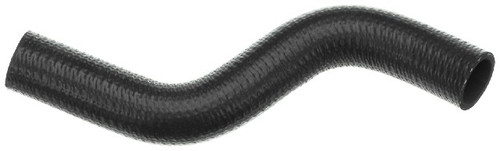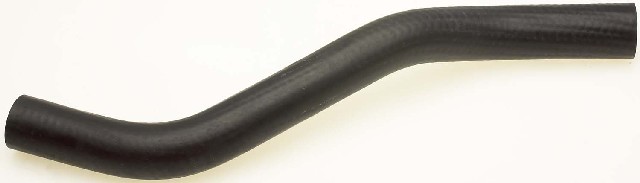
Gates Radiator Coolant Hose P/N:24229
Gates 22830 lower radiator coolant hose for the 2001-2005 Honda Civic 4-cylinder 1.7L and other vehicles carries coolant through the cooling system. This Gates molded coolant hose is pre-shaped to fit and to seal.
A cracked, swollen or soft hose, or coolant seeping at an end, can mean the hose needs replacing. Inspect it only with the engine off and cool. A wet spot or low coolant alone does not prove the hose is at fault; a leaking water pump is another common source.
This Gates radiator coolant hose is a direct-fit replacement for the 2001-2005 Acura EL 4-cylinder 1.7L and the 2001-2005 Honda Civic 4-cylinder 1.7L. This listing is one hose, and the 2001-2005 Honda Civic 4-cylinder 1.7L takes one.
Fit and size
Build and materials
Interchange: 24501L · 72096 · E72096 · 62389 · 62836 · 19502PLD000 · 9465
Product information is for general reference and may contain errors. See our Disclaimer.
This part cross-references / interchanges with the following part numbers:
Is the Gates lower radiator hose a fit for the 2001-2005 Acura EL 4-cylinder 1.7L?
Yes. Gates 22830 fits the 2001-2005 Acura EL 4-cylinder 1.7L and the 2001-2005 Honda Civic 4-cylinder 1.7L, and each takes one.
Is the Gates coolant hose 22830 made of EPDM?
Yes. Gates 22830 has an EPDM tube and an EPDM cover over a synthetic fiber knit reinforcement. It is a molded hose without a spring.
What inside diameter and length does this radiator coolant hose have?
Both ends have a 1.04 in (26 mm) inside diameter, and the centerline length is 17.1 in (434 mm).
Can this hose be used on a fuel or oil line?
No. Do not use this hose for fuel or oil transfer. It is a coolant hose with a temperature range of -40 °F to +257 °F (-40 °C to +125 °C).
Do the clamps need replacing when I install this hose?
Yes. Hose clamps should be replaced each time a new coolant hose is installed.
No reviews yet — be the first to review this product.
Write a Review
WARNING: These products can expose you to chemicals including lead and phthalates, which are known to the State of California to cause cancer and birth defects or other reproductive harm. For more information go to www.P65Warnings.ca.gov.