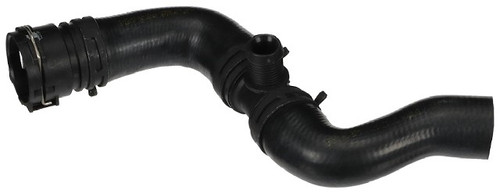
Gates Radiator Coolant Hose P/N:22275
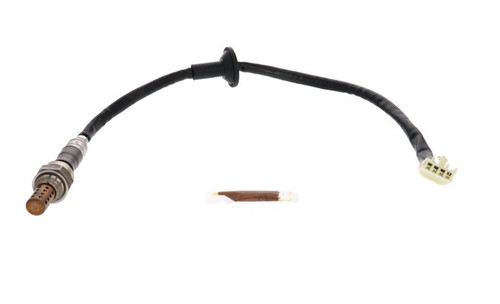
NTK 24824 rear oxygen sensor for the 2011-2014 Toyota Sienna V6 3.5L measures oxygen in the exhaust and reports it to the ECU. This NTK oxygen sensor gives the ECU closed-loop feedback and helps the OBDII system flag catalytic converter efficiency problems.
A check engine light with an oxygen sensor code, higher fuel use or a rough idle can each mean a worn sensor, but they also have other causes. Before you replace the sensor, rule out an exhaust leak, damaged wiring and a catalytic converter fault.
This sensor fits the 2011-2014 Toyota Sienna V6 3.5L, which takes one. This listing is a single sensor.
Fit and size
Build and materials
One oxygen sensor with a water-resistant connector and harness accessory hardware.
Interchange: 234-4539 · 234-4540
18047 · OS5602 · 8946508060 · 8946508100
Product information is for general reference and may contain errors. See our Disclaimer.
This part cross-references / interchanges with the following part numbers:
Is this a 2011 Toyota Sienna oxygen sensor, and does it cover the 2011-2014 V6 3.5L?
Yes. NTK 24824 is the rear oxygen sensor for the 2011-2014 Toyota Sienna V6 3.5L, which takes one.
What thread and hex size does this NTK O2 sensor have?
NTK 24824 has an M18 - 1.5 thread and a 7/8" (22mm) hex.
Is this rear oxygen sensor heated, and what type is it?
Yes. NTK 24824 is a heated switching zirconia oxygen sensor.
Do NTK sensors come with a connector and hardware?
Yes. This rear oxygen sensor comes with a water-resistant connector and harness accessory hardware.
Is 8946508060 an interchange number for this rear oxygen sensor?
Yes. 8946508060 is listed as an interchange number for NTK 24824, along with the other numbers on the Interchange line.
Published by the manufacturer of this part. Links open in a new tab.
No reviews yet — be the first to review this product.
Write a Review
WARNING: These products can expose you to chemicals including lead and phthalates, which are known to the State of California to cause cancer and birth defects or other reproductive harm. For more information go to www.P65Warnings.ca.gov.