


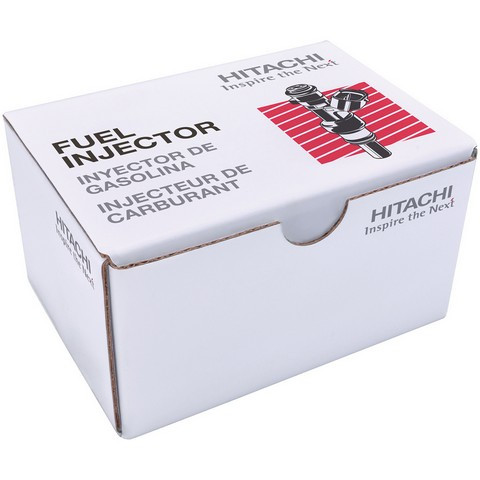


Hitachi Astemo FIJ0020 fuel injector for the 2010-2011 Nissan Maxima V6 3.5L and other vehicles sprays a controlled amount of fuel into the engine.
A failing injector can show up as a rough idle, a misfire or weaker fuel economy. Spark plugs, ignition coils, a clogged fuel filter or a vacuum leak can be behind those signs too, so find the cause before buying.
This fuel injector is a direct-fit replacement for the 2010-2011 Nissan Maxima V6 3.5L, the 2001-2004 Nissan Pathfinder V6 3.5L and the 2000-2001 Nissan Sentra 4-cylinder 2.0L, and it is listed as a new OE part. Driving something else? Look up your own car in the "Vehicles it fits" section.
Fit and size
Build and materials
One fuel injector. The number a vehicle takes depends on its engine.
Interchange: 16600-5L700
FJ653
This part cross-references / interchanges with the following part numbers:
Is this the right Nissan Sentra fuel injector for a 2000-2001 Nissan Sentra 4-cylinder 2.0L?
Yes. Hitachi Astemo FIJ0020 is listed for the 2000-2001 Nissan Sentra 4-cylinder 2.0L, which takes four injectors.
What kind of electrical connector does the Hitachi Astemo FIJ0020 have?
Hitachi Astemo FIJ0020 has two male blade terminals. It is a port fuel injection (PFI) type fuel injector.
Is the Hitachi Astemo FIJ0020 flow tested?
Yes. Each injector is 100% flow tested and calibrated for its application, and a high-speed electromagnet and pintle control the fuel flow.
Which signs can point to a worn port fuel injector?
A rough idle, a misfire or weaker fuel economy can point to one. A shop can test injector flow and spray, and a misfiring engine should be checked promptly.
How many injectors come in this fuel injector listing?
This listing is one injector. The count a vehicle needs follows its engine: four for the 4-cylinder, six for the V6 and eight for the V8 engines in the fitment.
No reviews yet — be the first to review this product.
Write a Review


WARNING: These products can expose you to chemicals including lead and phthalates, which are known to the State of California to cause cancer and birth defects or other reproductive harm. For more information go to www.P65Warnings.ca.gov.
