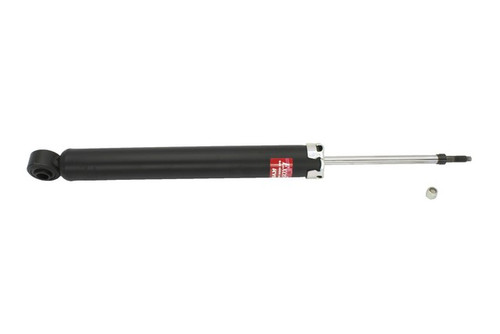
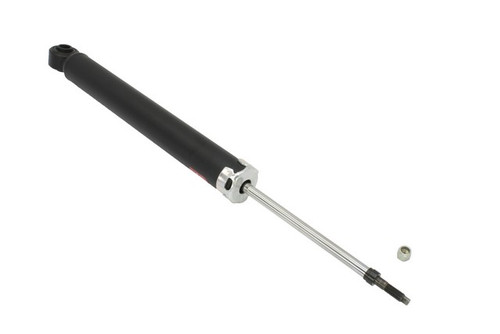
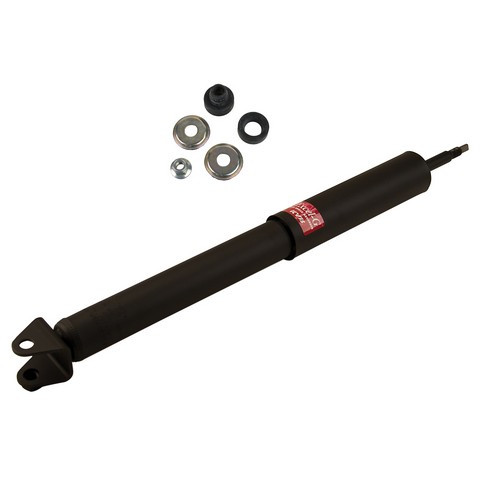
Smooth out a bouncy, worn-out ride with the KYB shock absorber P/N 349102, a nitrogen gas-charged, twin-tube Excel-G unit built for the rear suspension. It's a direct-fit replacement for the 2008-2011 Hyundai Azera and the 2009-2010 Hyundai Sonata — see the Buyer's Guide tab for engine-level fitment.
Part of KYB's Excel-G line, this gas shock absorber is designed to restore the vehicle's original ride control, stability, and handling rather than change it — earning the OEA (Original Equipment for the Aftermarket) classification. KYB is a leading OE supplier, and the Excel-G is built on the same assembly lines with the same OE-quality components.
- Nitrogen gas-charged twin-tube design: the Excel-G construction helps manage tire contact and body movement.
- Triple-lip fluid seal: reduces the chance of oil and gas leaking out.
- OE replacement: KYB's #1 recommended Original Equipment replacement choice for Asian cars, calibrated to restore designed performance.
- Supports electronic safety systems: helps keep the suspension performing as the manufacturer intended.
Worn shocks may show excessive bounce, nose-dive under braking, or poor stability on lane changes. If a failed rear shock is the cause, this replaces it. Position: rear.
Interchange: G51806 · 553113K640 · 5614