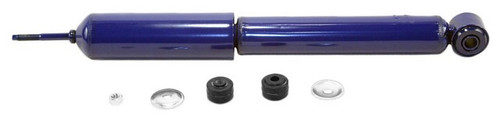
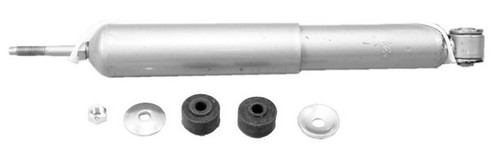
Help keep your rear tires planted and the ride composed with this Monroe shock absorber, the Monroe Restore 210102. It installs as a direct-fit rear replacement for the 2010-2011 Mazda 3. See the "Vehicles it fits" section for engine details.
Monroe Restore shock absorbers are built for consistent performance. They are designed to provide a high level of handling and control while filtering out noise, vibration and harshness. The Restore line covers domestic and import passenger cars, light trucks and SUVs.
- Improves performance: A nitrogen gas charge helps maintain tire-to-road contact by reducing aeration and shock fade, for improved ride and handling.
- Control and durability: A banded piston helps reduce friction between the piston and the pressure tube. This is intended to enhance responsiveness to changing road surfaces for smooth operation.
- Performance: Designed and validated for consistent performance.
- Engineering expertise: Engineered for quality you can count on.
As a suspension shock absorber, this rear unit dampens spring motion to help control body movement over bumps and dips. Signs a rear shock may need replacing include excessive bouncing after bumps, fluid leaking from the shock body, a floaty or unsettled rear end, and cupped tire wear.
Interchange: ST3313671R · DT341979 · DT346330 · G51983 · 343413 · 553389 · SA1022 · MZ104 · BBM228910C · BBM228910D · BBM228910F · BBM328910C · BBM328910D · 33248 · 56023 · 5697 · 94389 · NS5697 · 32120429 · 785697
Product information is for general reference and may contain errors. See our Disclaimer.
This part cross-references / interchanges with the following part numbers:
ST3313671R, DT341979, DT346330, G51983, 343413, 553389, SA1022, MZ104, BBM228910C, BBM228910D, BBM228910F, BBM328910C, BBM328910D, 33248, 56023, 5697, 94389, NS5697, 32120429, 785697
Frequently Asked Questions
Is this Monroe rear shock absorber listed for the 2010-2011 Mazda 3?
Yes. The Monroe Restore 210102 is cataloged for the rear position on the 2010-2011 Mazda 3. See the "Vehicles it fits" section for engine details.
What does the nitrogen gas charge do?
The nitrogen gas charge is designed to reduce aeration and shock fade. This helps maintain tire-to-road contact for improved ride and handling.
What is the banded piston for?
The banded piston helps reduce friction between the piston and the pressure tube. This is intended to enhance responsiveness to changing road surfaces for smooth operation.
What are signs my rear shocks may need replacing?
Common signs include excessive bouncing after bumps, fluid leaking from the shock body, an unsettled rear end, and cupped tire wear. Other suspension issues can cause similar symptoms, so inspect before replacing.
Should I replace both rear shocks at the same time?
Replacing both rear shocks together is commonly recommended so the left and right sides dampen evenly, for balanced handling.