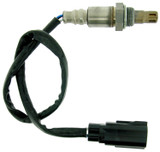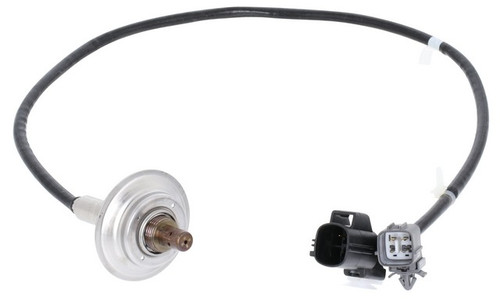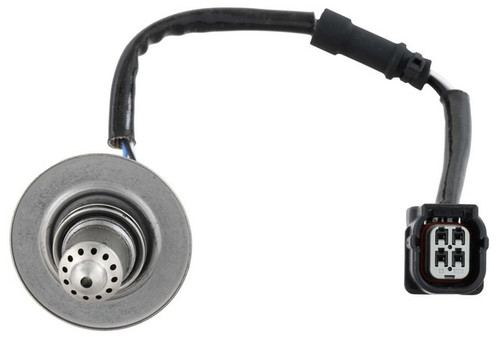
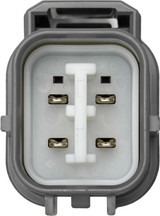
NTK Air / Fuel Ratio Sensor P/N:24776
NGK O2 SENSORS 24773 air / fuel ratio sensor for the 2007-2009 Honda CR-V 4-cylinder 2.4L measures oxygen in the exhaust and sends the engine computer a linear signal. The computer uses that signal to adjust the air-fuel mixture continuously.
A lit check engine light, a rough idle or lower fuel economy can go with a worn air / fuel ratio sensor. These signs alone do not prove the sensor is at fault, since an exhaust leak can produce similar readings.
This sensor is a direct-fit replacement for the 2007-2009 Honda CR-V 4-cylinder 2.4L. The listing is one sensor for the upstream position, and the engine takes one.
Fit and size
Build and materials
Product information is for general reference and may contain errors. See our Disclaimer.
Does the NGK O2 SENSORS 24773 fit a 2007-2009 Honda CR-V 4-cylinder 2.4L?
Yes. NGK O2 SENSORS 24773 is an upstream air / fuel ratio sensor listed for the 2007-2009 Honda CR-V 4-cylinder 2.4L, and that engine takes one.
What hex size does this upstream air / fuel ratio sensor have?
The hex on this sensor is 7/8 in (22 mm). It is a heated, 4-wire sensor.
Is the NGK 24773 a wideband sensor or a regular switching oxygen sensor?
NGK 24773 is a wideband air / fuel ratio sensor. Instead of only switching between rich and lean, it gives a linear signal that shows the computer how rich or lean the engine is running.
What can a failing air / fuel ratio sensor look like in daily driving?
A check engine light, a rough idle or lower fuel economy can go with a failing sensor. A shop can read the stored codes with a scan tool.
How is the sensor element on the NGK 24773 protected from contamination?
The ceramic sensor element has a 3-stage contaminant-resistant plasma jet and deposit trap overcoat. It protects against element poisoning.
Published by the manufacturer of this part. Links open in a new tab.
No reviews yet — be the first to review this product.
Write a Review
WARNING: These products can expose you to chemicals including lead and phthalates, which are known to the State of California to cause cancer and birth defects or other reproductive harm. For more information go to www.P65Warnings.ca.gov.