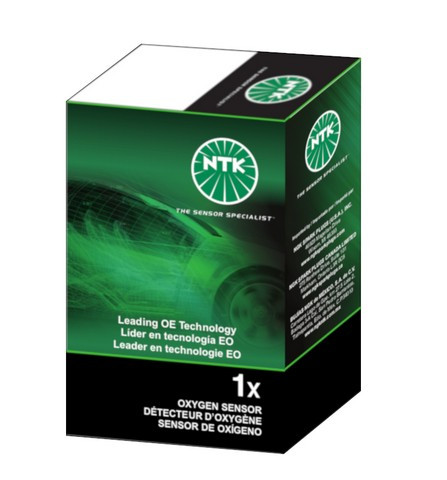

NTK Oxygen Sensor P/N:25155
NTK Oxygen Sensor P/N:25155. Fits: Hyundai Santa Fe, Hyundai Sonata, Hyundai Xg300, Kia Magentis, Kia Optima.
$68.99

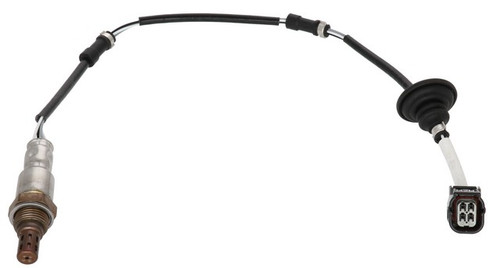

NTK 24026 oxygen sensor for the 2006-2011 Honda Civic 4-cylinder 2.0L and other vehicles monitors oxygen in the exhaust and sends closed-loop feedback to the ECU. That feedback helps control the air-fuel ratio and lets the OBDII system flag fuel delivery or catalytic converter efficiency problems.
A failing oxygen sensor can show up as a check engine light or poor fuel economy. An exhaust leak, a fuel delivery fault or a worn catalytic converter can be behind those signs too, so find the cause before buying. The downstream position takes a single sensor.
This downstream Honda Civic oxygen sensor fits the 2006-2011 Civic 4-cylinder 2.0L. It also fits the 2007-2008 Honda Fit 4-cylinder 1.5L and the 2006-2011 Acura CSX 4-cylinder 2.0L.
Fit and size
Build and materials
One oxygen sensor with harness accessory hardware.
Interchange: 75-3640 · 75-3893 · 234-4357 · 234-4358
15027 · 15296 · ES20403 · 36532RMEA01 · 36532RRA004 · OS5535
Product information is for general reference and may contain errors. See our Disclaimer.
This part cross-references / interchanges with the following part numbers:
Is this a Honda Fit oxygen sensor for the 2007-2008 model with the 4-cylinder 1.5L?
Yes. NTK 24026 is a downstream sensor for the 2007-2008 Honda Fit 4-cylinder 1.5L.
Is this NTK O2 sensor heated?
Yes. NTK 24026 is a heated sensor with a switching zirconia type element.
Does this NTK oxygen sensor go upstream or downstream?
Downstream. This sensor is listed for the downstream position, which takes a single sensor.
Do NTK sensors like the 24026 come with harness hardware?
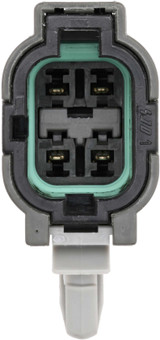
Yes. This sensor comes with harness accessory hardware and a water-resistant connector.
What hex size and thread does the NTK 24026 have?
The hex size is 7/8" (22mm) and the thread is M18 - 1.5.
No reviews yet — be the first to review this product.
Write a Review


WARNING: These products can expose you to chemicals including lead and phthalates, which are known to the State of California to cause cancer and birth defects or other reproductive harm. For more information go to www.P65Warnings.ca.gov.
