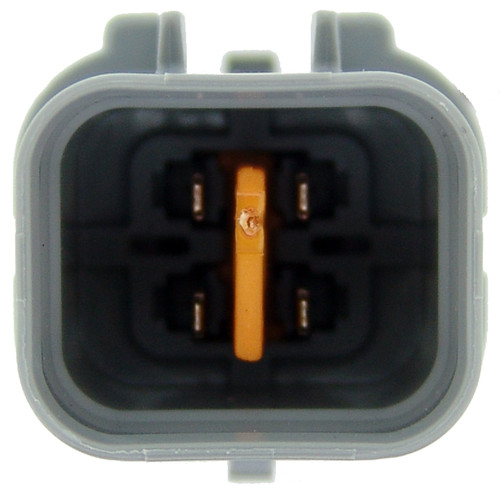
NTK Oxygen Sensor P/N:25181
NTK 25160 right oxygen sensor for the 2002-2005 Hyundai Sonata V6 2.7L and other vehicles reports exhaust oxygen levels to the ECU. This downstream sensor helps alert the OBDII system to possible catalytic converter efficiency problems.
A failing oxygen sensor can turn on the check engine light, lower fuel economy or lead to a failed emissions test. Those signs alone don't prove this sensor is at fault, since an exhaust leak can be behind them. This listing is one sensor; on the 2002-2005 Hyundai Sonata V6 2.7L, the right downstream position takes one, and the left side sensor is ordered separately.
This heated, right downstream oxygen sensor is a direct fit for the 2005-2009 Hyundai Tucson V6 2.7L and the 2005-2010 Kia Sportage V6 2.7L. NTK sensors are based on OE expertise and engineered for the aftermarket to give OE fit, form and function, and their quality is at or above OEM specifications.
Fit and size
Build and materials
Product information is for general reference and may contain errors. See our Disclaimer.
This part cross-references / interchanges with the following part numbers:
Is this the right O2 sensor for a 2002-2005 Hyundai Sonata V6 2.7L?
Yes. NTK 25160 fits it in the right downstream position. Driving something else? Look for your own model and engine in the "Vehicles it fits" section.
Is this an NGK NTK oxygen sensor?
Yes. NTK oxygen sensors are established under the NGK family of products, and this one is NTK part number 25160.
Is the NTK 25160 a heated oxygen sensor?
Yes. It is a heated, narrow-band sensor of the switching zirconia type, with 4 wires.
How can I tell if this downstream oxygen sensor is going bad?
A check engine light, a drop in fuel economy or a failed emissions test can be signs. A shop can scan for trouble codes and test the sensor.
What wrench size does this oxygen sensor take?
It takes a 7/8 (22mm) wrench size and has an M18 - 1.5 metric thread.
No reviews yet — be the first to review this product.
Write a Review
WARNING: These products can expose you to chemicals including lead and phthalates, which are known to the State of California to cause cancer and birth defects or other reproductive harm. For more information go to www.P65Warnings.ca.gov.