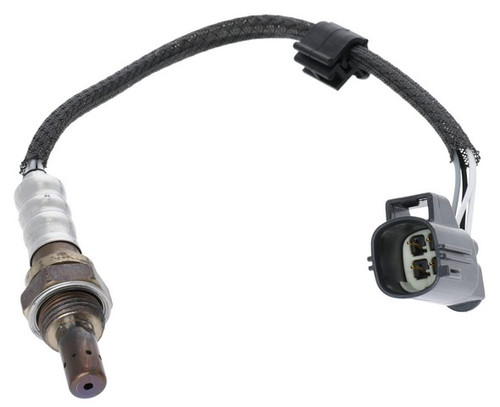
NTK Oxygen Sensor P/N:23139
NTK 25672 O2 sensor for the 2006-2010 Hyundai Sonata V6 3.3L and other vehicles sends the ECU constant closed-loop feedback. That signal helps control the air-fuel ratio and alerts OBDII systems to possible fuel delivery or catalytic converter efficiency problems.
A failing sensor can bring on the check engine light, rough running or poorer fuel economy. An exhaust leak is another common cause, so these signs alone don't prove the sensor is bad. This listing is one sensor, and a 2006-2010 Hyundai Sonata V6 3.3L takes one NTK 25672.
The 2006-2010 Hyundai Sonata V6 3.3L, the 2007-2009 Kia Sorento V6 3.8L, the 2008-2009 Sorento V6 3.3L and the 2007-2009 Hyundai Santa Fe V6 3.3L are covered by this direct-fit sensor, which meets or exceeds OEM specs and fits other Hyundai and Kia models too. If yours is a different one, look for it in the "Vehicles it fits" section.
Fit and size
Build and materials
Product information is for general reference and may contain errors. See our Disclaimer.
Does the NTK 25672 fit a 2007-2009 Kia Sorento V6 3.8L?
Yes, the NTK 25672 fits the 2007-2009 Kia Sorento V6 3.8L. It also fits the 2008-2009 Sorento V6 3.3L.
Is this NTK O2 sensor heated?
Yes, NTK part number 25672 is a heated, narrow-band sensor that uses switching zirconia technology.
What thread and hex size does this oxygen sensor have?
This sensor has an M18 - 1.5 thread and a 7/8" (22mm) hex.
How can I tell if this O2 sensor is failing?
A check engine light, an uneven idle or extra fuel use can mean the sensor is failing. A shop can test the sensor's signal.
Does the NTK 25672 come with harness hardware?
Yes, this sensor is equipped with harness accessory hardware, along with a water-resistant connector made to OE specification.
No reviews yet — be the first to review this product.
Write a Review
WARNING: These products can expose you to chemicals including lead and phthalates, which are known to the State of California to cause cancer and birth defects or other reproductive harm. For more information go to www.P65Warnings.ca.gov.