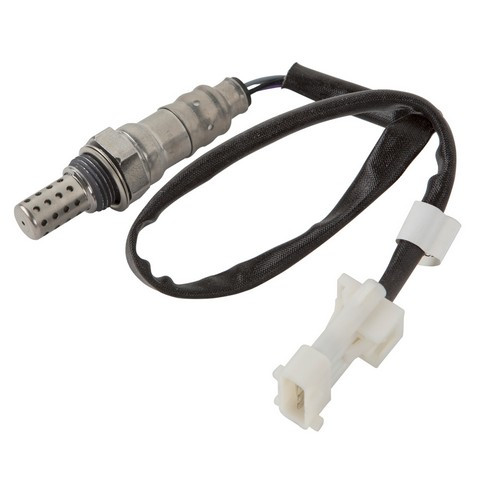
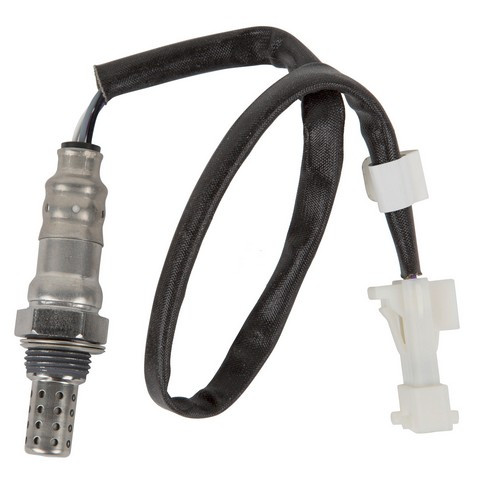
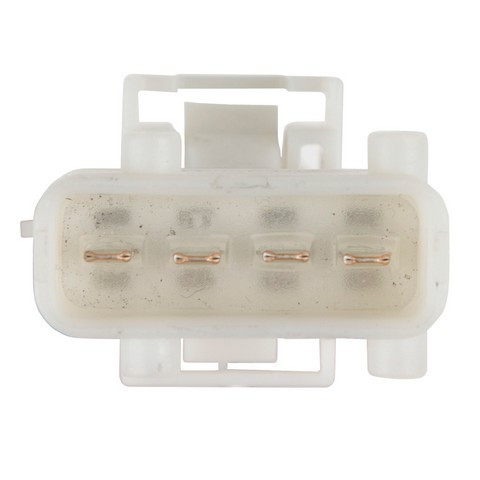
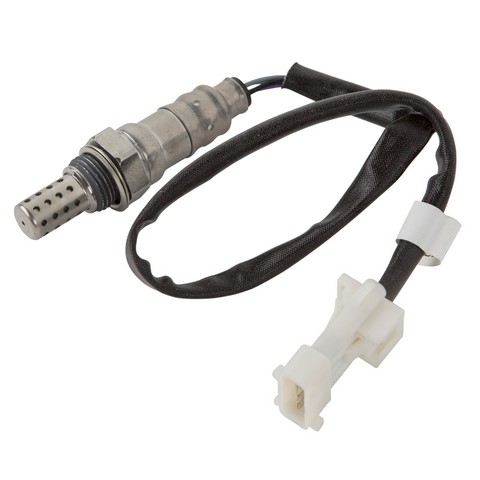
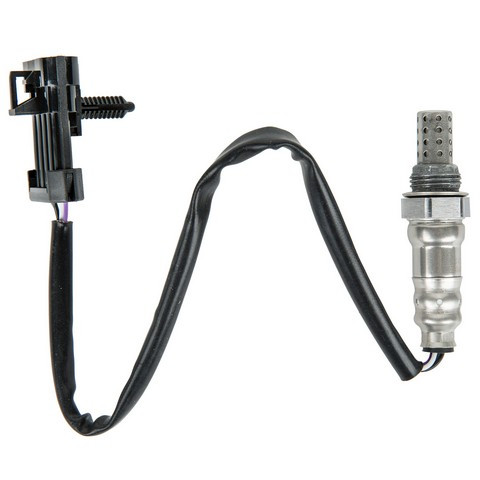
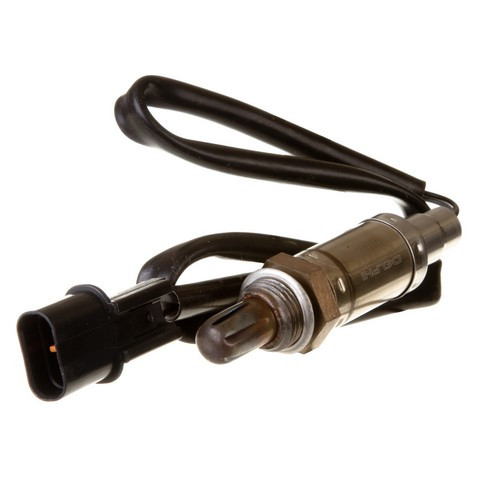
Delphi ES20413 rear oxygen sensor for the 2007-2015 Mini Cooper 4-cylinder 1.6L and other vehicles measures the oxygen left in the exhaust gas. The Delphi oxygen sensor sends that reading to the engine computer, which uses it to manage the air-fuel ratio.
- Delphi planar technology covers older, conical-design sensors
- Smart design consolidates SKUs without using long wires
- Patented protective sensor coating helps prevent contamination
- Validated for all fuel types, including ethanol blends like E85
- Tested to 150,000 miles, plus 2,000 hours of severe thermal testing
Quick facts
- Part: Delphi ES20413 oxygen sensor
- Fits: 2007-2015 Mini Cooper 4-cylinder 1.6L and other vehicles
- Position: Rear
- Condition: New
A worn oxygen sensor can show up as a lit check engine light or poor fuel economy. Neither sign alone proves the sensor is at fault, and an exhaust leak is one other common cause.
Fits
This sensor fits the 2007-2015 Mini Cooper 4-cylinder 1.6L, the 2011-2016 Mini Cooper Countryman 4-cylinder 1.6L and the 2013-2016 Mini Cooper Paceman 4-cylinder 1.6L. This listing is one sensor, and the 2007-2015 Mini Cooper 4-cylinder 1.6L takes one.
Specifications
Fit and size
- Position: Rear
- Quantity per vehicle: 1
Build and materials
- Technology: Delphi planar
- Coating: patented protective sensor coating
- Condition: New
In the box
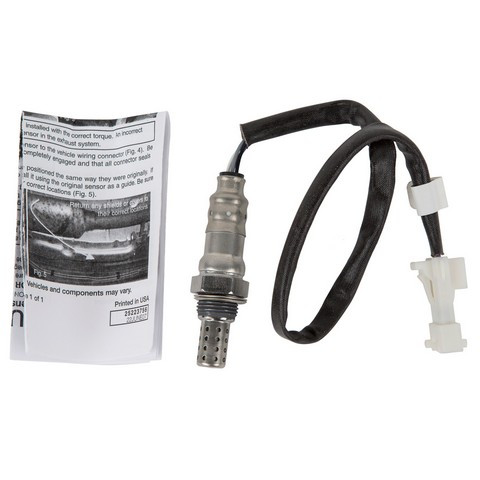
One oxygen sensor and one instruction sheet.
Interchange: 234-4488
11 78 7 548 961 · 5S9735 · 15379 · 25198 · 25024546 · SU11188
Product information is for general reference and may contain errors. See our Disclaimer.
This part cross-references / interchanges with the following part numbers:
5S9735, 11 78 7 548 961, 15379, 234-4488, 25198, 25024546, SU11188
Frequently Asked Questions
Does the Delphi ES20413 rear oxygen sensor fit the 2013-2016 Mini Cooper Paceman 4-cylinder 1.6L?
Yes. The Delphi ES20413 rear oxygen sensor fits the 2013-2016 Mini Cooper Paceman 4-cylinder 1.6L, and this listing is one sensor, the quantity that car takes.
What comes with the Delphi ES20413 oxygen sensor?
The Delphi ES20413 package holds one oxygen sensor and one instruction sheet.
Are Delphi O2 sensors okay to use with E85 fuel?
Yes. This rear oxygen sensor is validated for all fuel types, including ethanol blends like E85.
Can a worn rear oxygen sensor turn on the check engine light?
Yes, a worn sensor can be one reason the light comes on. A shop can read the stored codes to see what set it off.
How was the Delphi ES20413 oxygen sensor tested?
The Delphi ES20413 is tested to 150,000 miles, plus 2,000 hours of severe thermal testing.