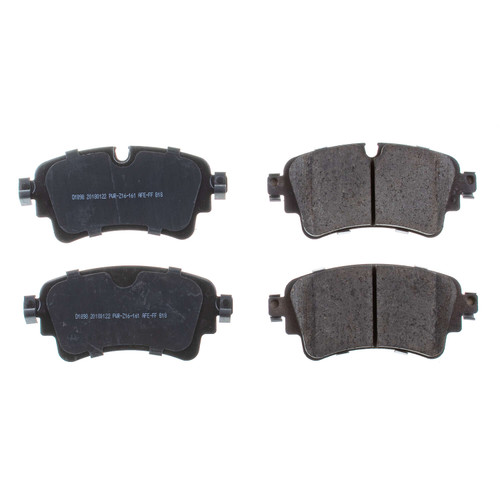


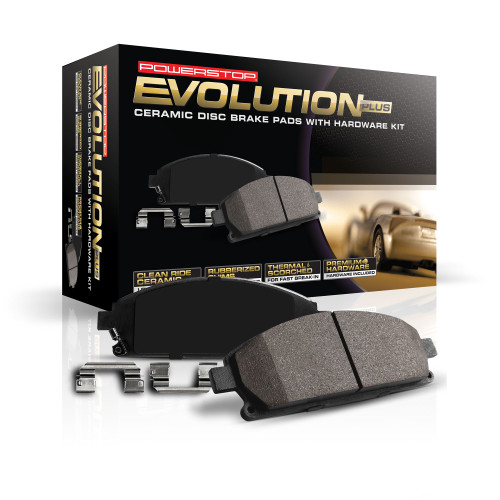

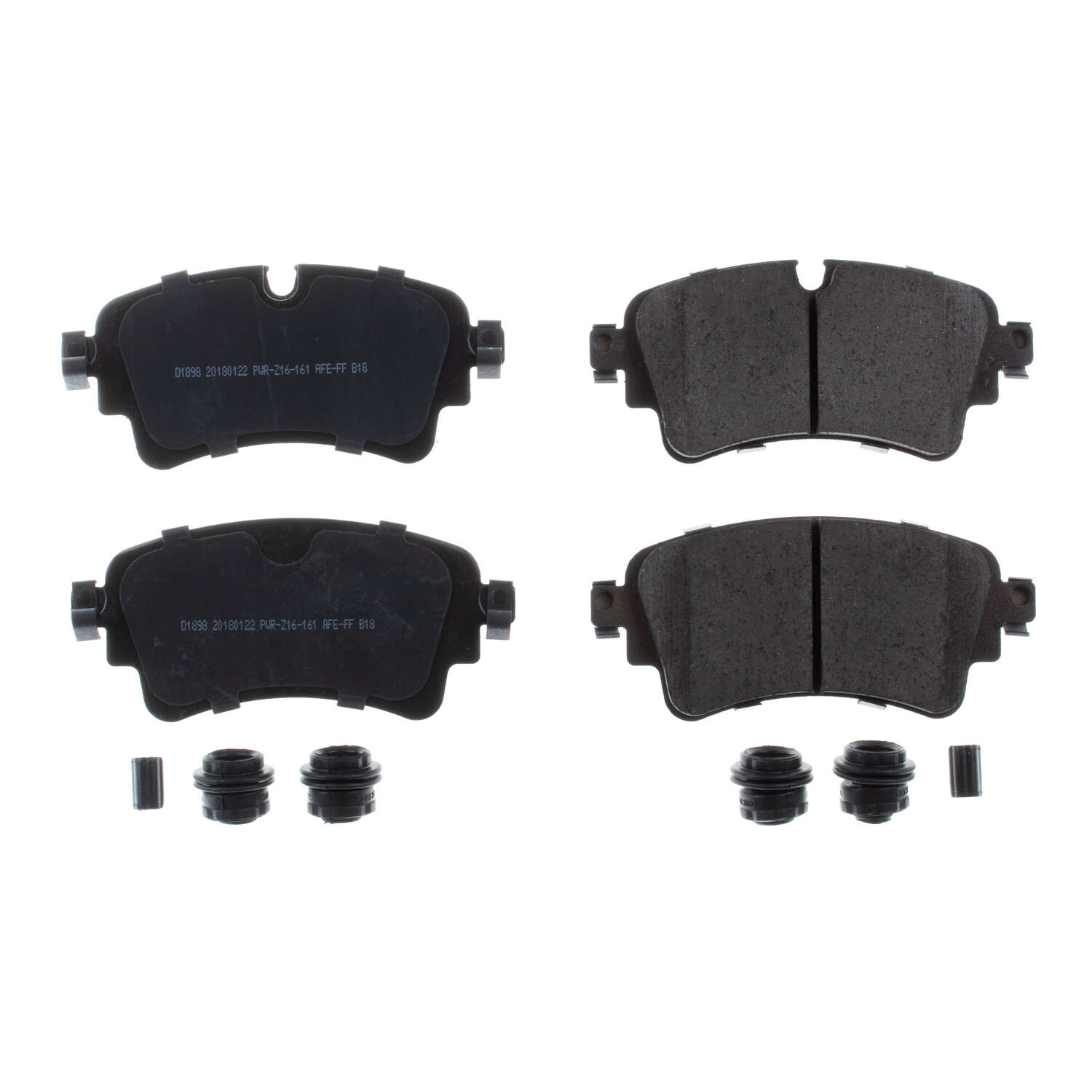
PowerStop 17-1898 rear brake pad for the 2018-2020 Audi Q5 and other vehicles presses against the rotor to slow the vehicle. The ceramic formula is designed to maximize stopping power.
Squealing, grinding or a longer stopping distance from the rear brakes can mean this rear disc brake pad set is worn. These signs alone do not prove the pads are the problem, because a sticking caliper is another common cause.
This brake pad is listed for a wide range of Audi models, including the 2017-2020 Audi A4 and the 2018-2020 Audi S5. Owners of other Audi models can find their year and model in the "Vehicles it fits" section.
Fit and size
Build and materials
One rear brake pad set, the same one set per vehicle that the fitment lists. It comes with mounting hardware, pad shims and a mechanical wear sensor. Brake lubricant is not included.
Interchange / FMSI:
FMSI: D1898
Product information is for general reference and may contain errors. See our Disclaimer.
Is this the right Audi Q5 brake pad for a 2018-2020 Audi Q5?
Yes. PowerStop 17-1898 is a rear brake pad listed for the 2018-2020 Audi Q5, with one set per vehicle. Other Audi models are in the "Vehicles it fits" section.
Do these brake pads come with hardware and shims?
Yes. This rear pad set includes mounting hardware, pad shims and a mechanical wear sensor. Brake lubricant is not included.
Does this PowerStop brake pad have a wear sensor?
Yes. PowerStop 17-1898 includes a mechanical wear sensor, and the wear indicator is attached to the pad.
Are these PowerStop Evolution brake pads low-dust?
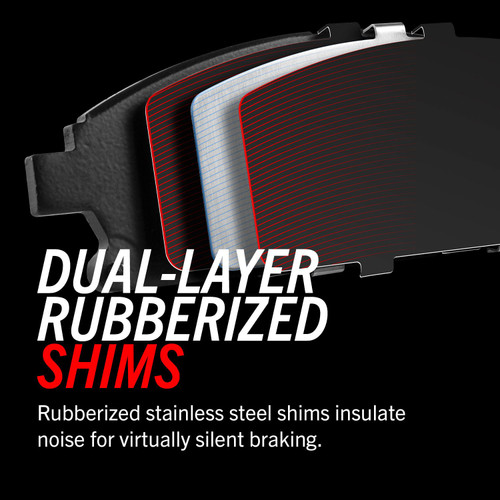
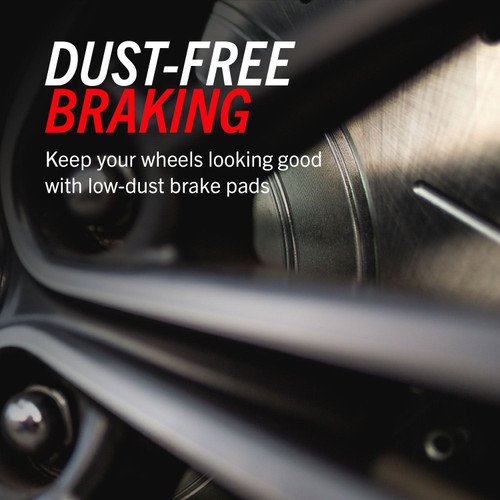
Yes. The Z17 Evolution Plus ceramic formula is designed to reduce brake dust and keep wheels clean, and the rubberized shims help keep braking quiet.
Are these Audi S5 brake pads for the front or rear of a 2018-2020 Audi S5?
Rear. PowerStop 17-1898 is a rear brake pad, and the 2018-2020 Audi S5 is in its fitment with one set per vehicle.
No reviews yet — be the first to review this product.
Write a Review



WARNING: These products can expose you to chemicals including lead and phthalates, which are known to the State of California to cause cancer and birth defects or other reproductive harm. For more information go to www.P65Warnings.ca.gov.
