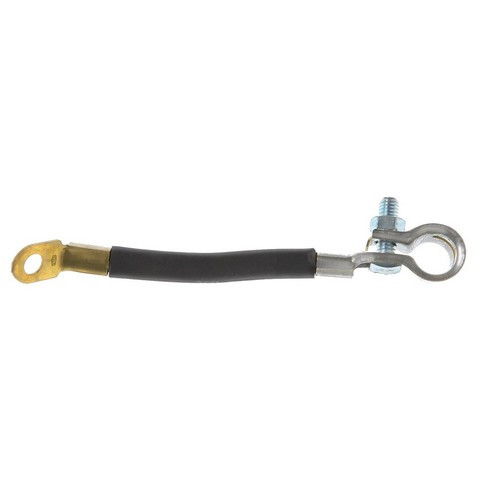
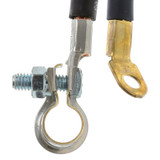


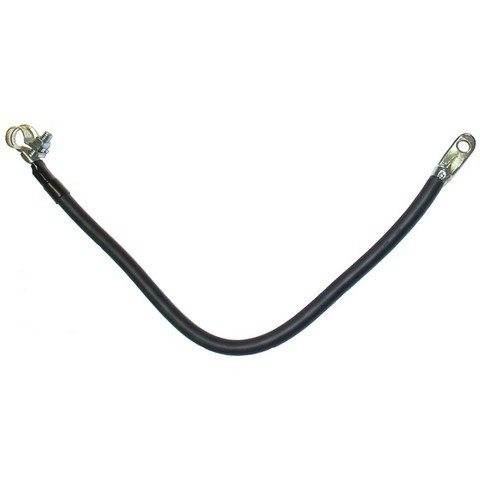
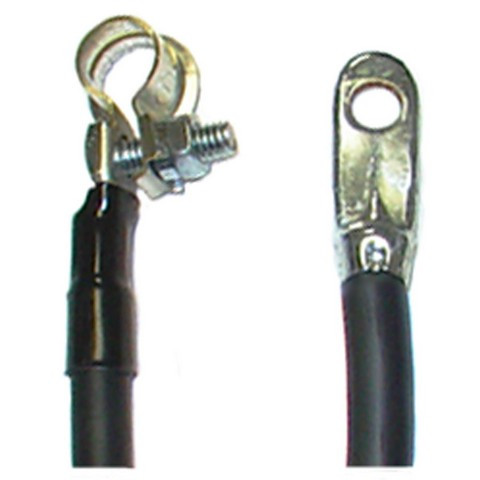
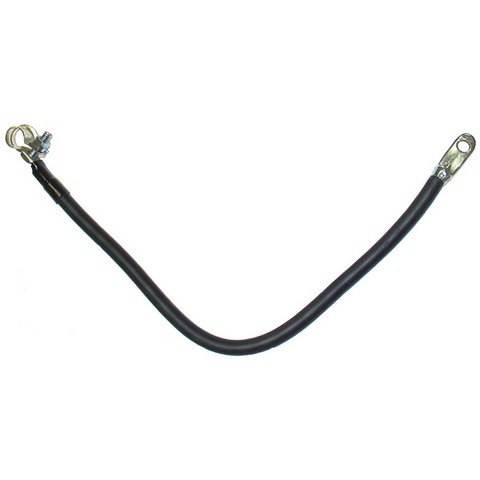
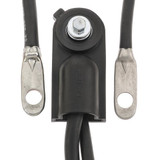
Standard Ignition A18-2T battery cable for the 2006-2014 Volkswagen Jetta 4-cylinder 2.0L, the 2011-2014 Jetta 5-cylinder 2.5L and other vehicles is a Standard Wires battery cable that connects the negative battery terminal to ground. It completes the return path for the starter and the rest of the electrical system.
Slow cranking, flickering lights or a cracked jacket can mean this cable is wearing out. Before you replace it, rule out a weak battery, a loose or corroded connection and a faulty starter or alternator.
Among the vehicles this cable fits are the 2012-2014 Volkswagen Passat 4-cylinder 2.0L or 5-cylinder 2.5L and the 2013-2022 Chevrolet Trax 4-cylinder 1.4L. Driving something else? Open the "Vehicles it fits" section to check your exact model and engine.
Fit and size
Build and materials
One negative battery cable, which is the number your vehicle takes.
Interchange: AA18-2T
32600SL0003 · BCS218 · 718501 · 2408017C00
Product information is for general reference and may contain errors. See our Disclaimer.
This part cross-references / interchanges with the following part numbers:
Is this the right 2006-2014 Volkswagen Jetta battery cable for the 4-cylinder 2.0L?
Yes. The Standard Ignition A18-2T is a negative battery cable that fits the 2006-2014 Volkswagen Jetta 4-cylinder 2.0L.
What gauge and length is the A18-2T battery cable?
The Standard Ignition A18-2T is an 18 in cable made with 2 gauge wire.
How can I check a negative battery cable for wear?
With the engine off and cool, look for splits in the jacket, crusty buildup at the ends and a loose connection. A shop can test the cable further.
Does the A18-2T replace part number 32600SL0003?
Yes. 32600SL0003 is an interchange number for the Standard Ignition A18-2T battery cable.
Does the terminal on this top mount battery cable contain lead?
No. The battery terminal on this top mount cable is lead-free.
No reviews yet — be the first to review this product.
Write a Review



Standard Motor Products
WARNING: These products can expose you to chemicals including lead and phthalates, which are known to the State of California to cause cancer and birth defects or other reproductive harm. For more information go to www.P65Warnings.ca.gov.
