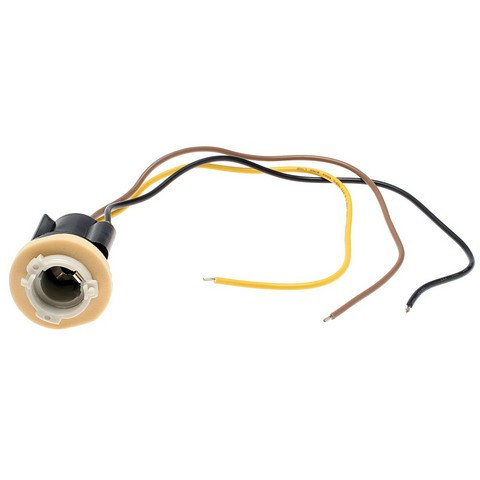
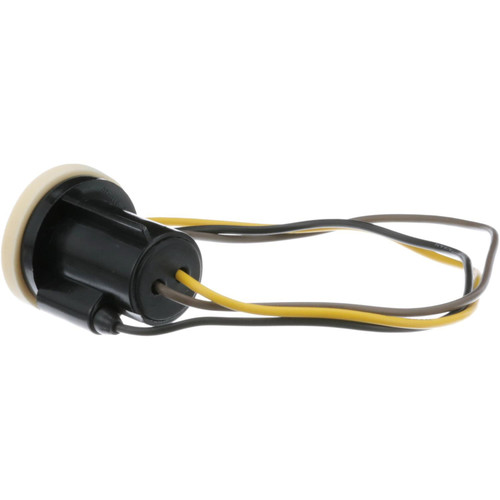
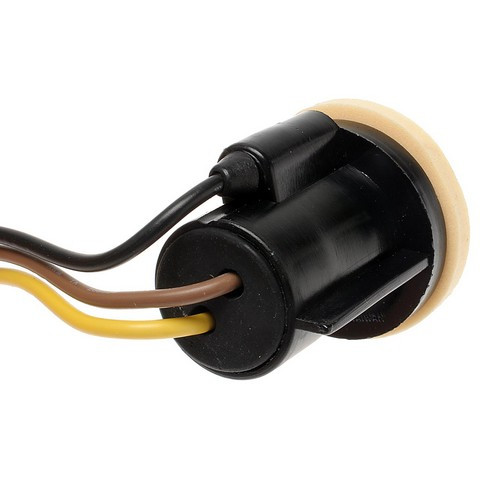
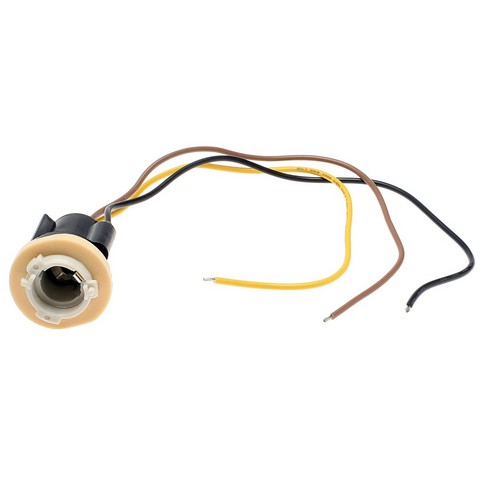
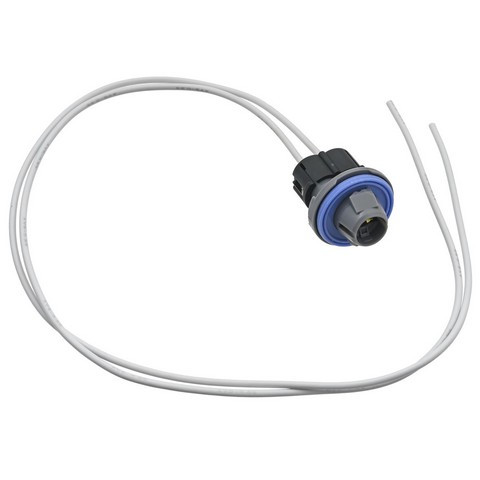
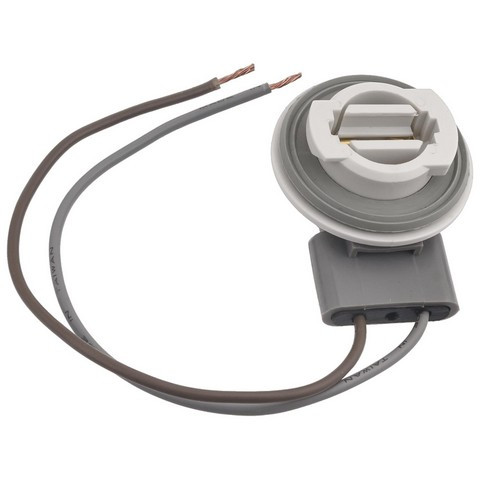
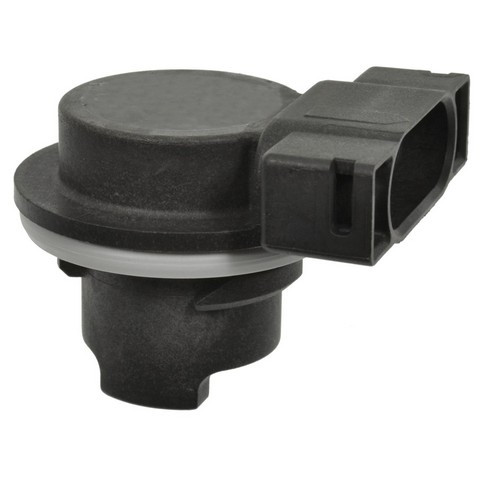
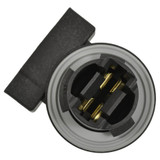
Hold the bulb securely and carry power to your stop, marker or tail lamp with the Standard S-77 lamp socket. It is cataloged as a center high mount stop light socket, side marker light socket and tail light socket. The S-77 is listed for 383 applications, including the 1979-1991 GMC G1500, 1982-1996 Buick LeSabre, 1982-1996 Chevrolet Caprice, 1982-1993 Chevrolet S10 and 1992-1997 Cadillac Seville (All engines). See the Buyer's Guide tab for the full list.
- Three lamp uses: cataloged as a center high mount stop light socket, a side marker light socket and a tail light socket.
- Catalog position: front and rear left.
- Quantity per application: the listed applications call for 1 or 2, depending on the vehicle entry.
- Broad coverage: the listed applications include Buick, Cadillac, Chevrolet, GMC, Oldsmobile and Pontiac models, with the engine listed as All.
A lamp socket holds the bulb in the lamp housing and carries power from the vehicle's wiring to the bulb. Heat, moisture and vibration can wear a socket over time. Signs it may need replacing include a lamp that flickers, a lamp that stays dark even with a good bulb, a bulb that sits loosely, and corrosion or heat damage at the contacts. Check the bulb, fuse and wiring first. If the socket is the cause, installing the S-77 replaces the worn part.