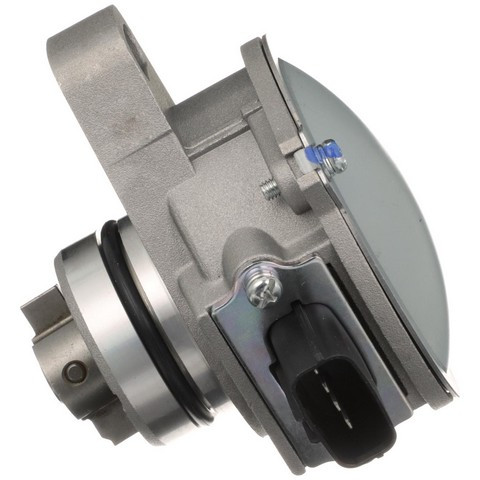
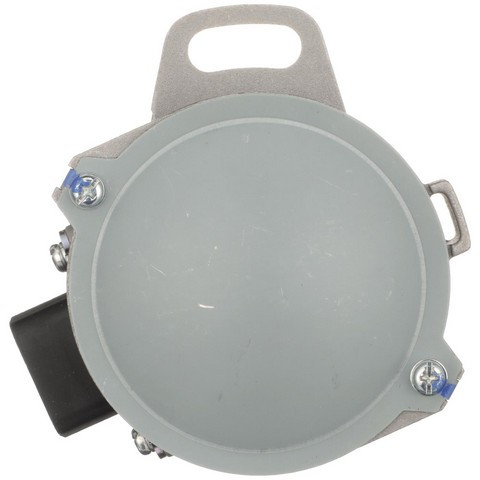
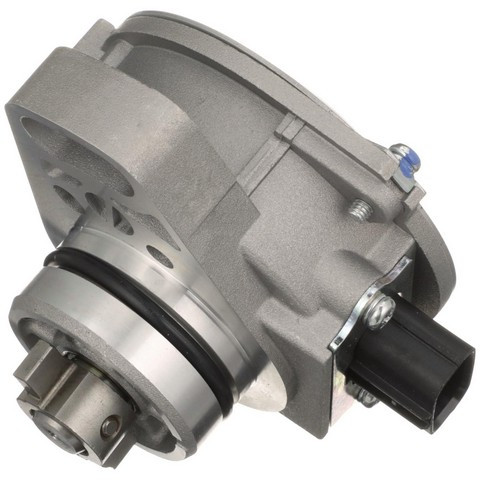
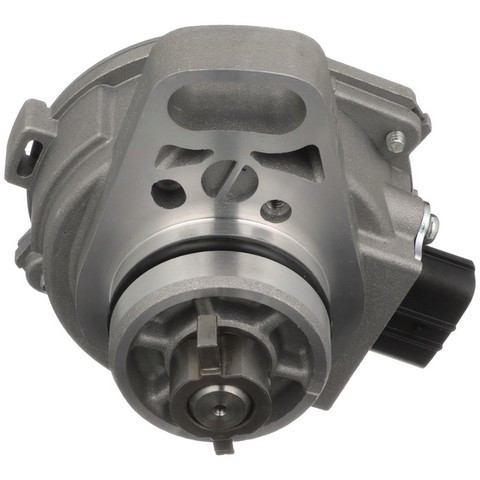
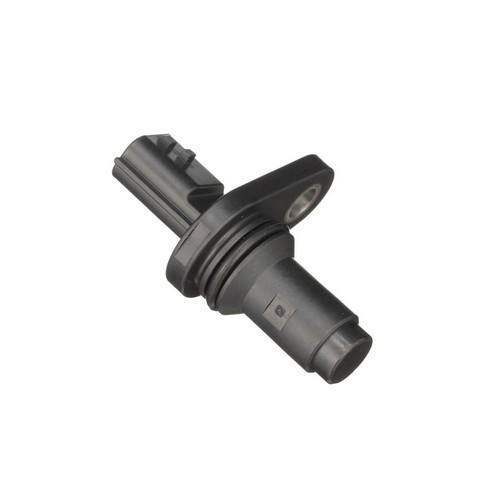
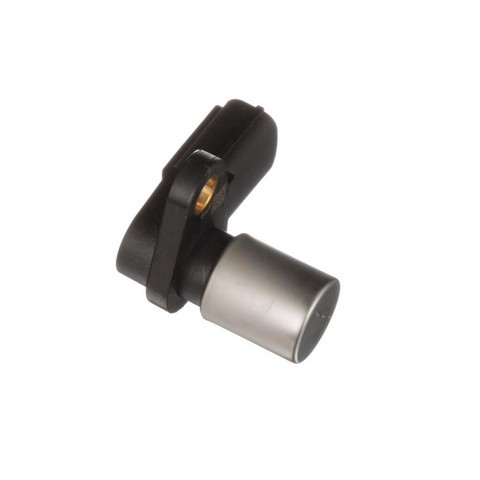
Standard Ignition PC218 camshaft position sensor for the 1994-1997 Mazda Miata 4-cylinder 1.8L reports camshaft position to the engine computer. The computer uses that signal for engine timing.
- 100% environmental, endurance and end-of-line testing of timing, pulse width and signal amplitude
- Advanced circuitry that protects the system from stray electro-magnetic fields and power spikes
- Custom magnetic circuit programming calibrates the sensor in performance testing to improve timing accuracy between target wheel and sensor output
- Integrated A/D converter and digital signal processing with a dynamically adaptive switch point for improved accuracy and operation
Quick facts
- Part: Standard Ignition PC218 camshaft position sensor
- Also called: cam sensor
- Fits: 1994-1997 Mazda Miata 4-cylinder 1.8L
A failing cam sensor can show up as hard starting, stalling or a check engine light, though other faults can produce these symptoms too. Before you replace it, look over the connector and wiring with the engine off and cool for cracks, damage or oil, and leave signal testing to a shop.
Fits
This sensor is a direct-fit replacement for the 1994-1997 Mazda Miata 4-cylinder 1.8L. This listing is one sensor, and that engine takes one.
Specifications
- Quantity per vehicle: 1
- Connector: rectangular, plug-in, female
- Terminals: 4, blade, male
- Country of origin: Taiwan
Interchange: CSS560 · SU4153 · CSS969 · B6E818230 · BPE818230 · T1T48371
Product information is for general reference and may contain errors. See our Disclaimer.
This part cross-references / interchanges with the following part numbers:
CSS560, SU4153, CSS969, B6E818230, BPE818230, T1T48371, PC218
Frequently Asked Questions
Is the Standard Ignition PC218 the right camshaft position sensor for a 1994-1997 Mazda Miata 4-cylinder 1.8L?
Yes. Standard Ignition PC218 is listed for the 1994-1997 Mazda Miata 4-cylinder 1.8L, and that engine takes one sensor.
What connector does the PC218 sensor have?
Standard Ignition PC218 has a rectangular, plug-in, female connector with 4 male blade terminals.
What testing does this Standard Ignition sensor go through?
Every unit gets 100% environmental, endurance and end-of-line testing covering timing, pulse width and signal amplitude.
What can a failing camshaft position sensor look like?
Hard starting, stalling or a check engine light are possible signs, though other faults can cause them too. A shop can test the sensor's signal.
Does the Standard Ignition PC218 replace CSS560?
Yes. CSS560 is on this page's interchange list for the Standard Ignition PC218 camshaft position sensor.