
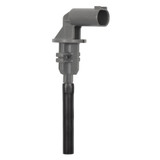
Standard Ignition Engine Coolant Reservoir P/N:CXT104
Standard Motor Products
Standard Ignition Engine Coolant Reservoir P/N:CXT104
$74.99


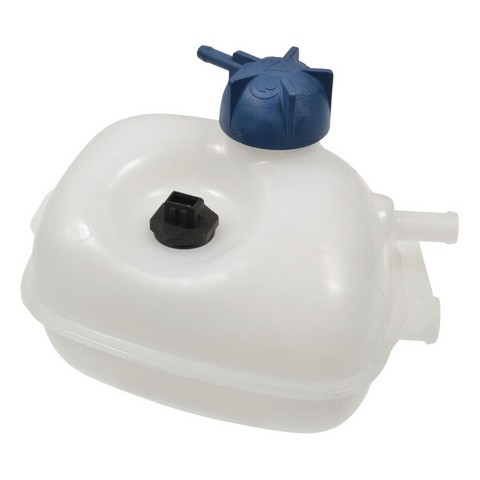
Standard Ignition CXT105 coolant reservoir for the 2006-2008 BMW 750i V8 4.8L and other vehicles holds engine coolant as it expands when hot. Also called a coolant tank, it is part of the engine cooling system.
A cracked tank, coolant residue around it or a level that keeps dropping can mean the reservoir is failing; look only when the engine is cool. These signs alone do not prove the reservoir is the problem, since a leaking hose can look the same.
This coolant reservoir also fits the 2006-2008 BMW 750Li V8 4.8L and the 2003-2008 BMW 760Li V12 6.0L, and the 2006-2008 BMW 750i V8 4.8L takes one. Driving a different BMW? Open the "Vehicles it fits" section and look up your year and engine.
Fit and size
Build and materials
One coolant reservoir, its cap and the other components needed to do the job.
Product information is for general reference and may contain errors. See our Disclaimer.
Does the Standard Ignition CXT105 fit the 2003-2008 BMW 760Li V12 6.0L?
Yes, the Standard Ignition CXT105 coolant reservoir fits the 2003-2008 BMW 760Li V12 6.0L. It also fits the 2006-2008 BMW 750i V8 4.8L.
What comes in the CXT105 kit besides the tank?
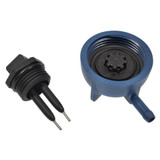
The kit includes the expansion tank, a cap and all necessary components for the job.
What connector does this coolant reservoir have?
The Standard Ignition CXT105 has one oval, plug-in female connector with two male pin terminals.
How can I tell if a coolant reservoir is cracked or leaking?
With the engine cool, look for cracks, coolant residue on or around the tank and a level that keeps dropping. A shop can test the cooling system for leaks.
Can I replace just the reservoir instead of the whole cooling assembly?
Yes. This kit lets you replace only the damaged unit instead of the entire assembly, and it comes with a cap and the necessary components.
No reviews yet — be the first to review this product.
Write a Review
Standard Motor Products


Standard Motor Products
Standard Motor Products


Standard Motor Products
WARNING: These products can expose you to chemicals including lead and phthalates, which are known to the State of California to cause cancer and birth defects or other reproductive harm. For more information go to www.P65Warnings.ca.gov.
