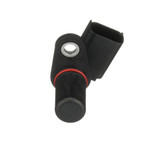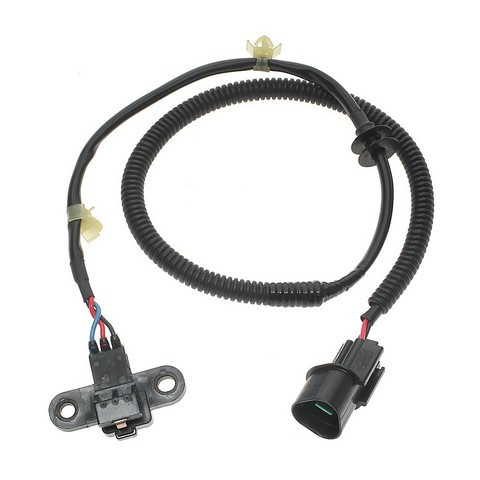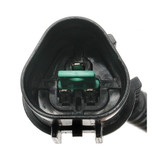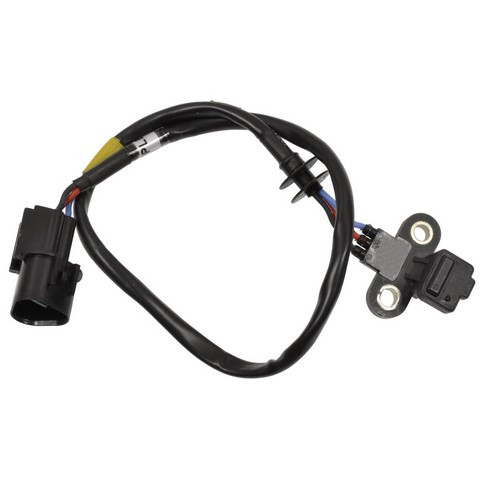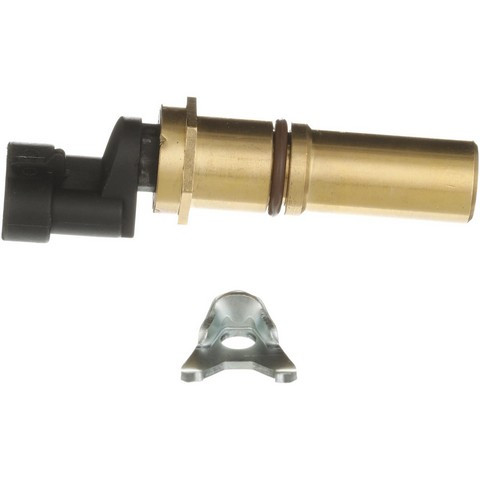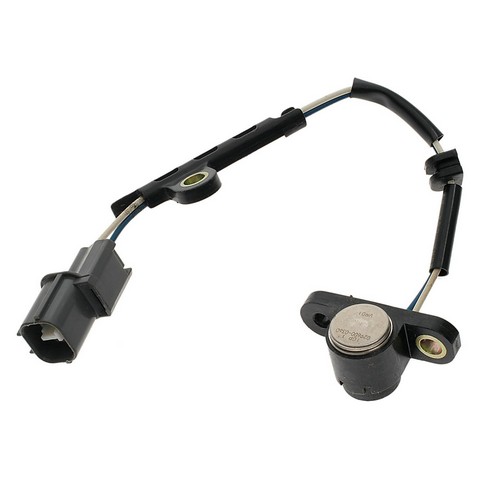
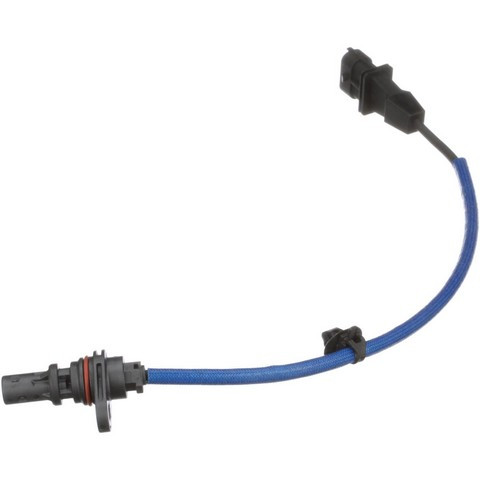
Standard Ignition Engine Crankshaft Position Sensor P/N:PC1257
Keep the engine's timing dialed in with the Standard Ignition Engine Crankshaft Position Sensor PC155, a direct-fit sensor for the 1995-1997 Honda Accord equipped with the V6-2.7L engine. This sensor monitors the rotational position and speed of the crankshaft and reports that signal to the engine control module, which uses it to schedule ignition timing and fuel injection.
Signs the original may need replacing include a hard-start or no-start condition, stalling, engine hesitation, intermittent misfire, or an illuminated check engine light. Because these symptoms can have other causes, diagnose the fault before ordering — if a failed crankshaft position sensor is confirmed as the cause, this PC155 replaces it. Order one per vehicle as listed in the fitment for the 1995-1997 Honda Accord V6-2.7L.
What does the PC155 crankshaft position sensor do?
It monitors the crankshaft's position and rotational speed and sends that signal to the engine control module, which uses it to schedule ignition timing and fuel injection.
Is this the right sensor for a 1995-1997 Honda Accord 2.7L?
The PC155 is listed for the 1995-1997 Honda Accord with the V6-2.7L engine. Confirm your engine matches the fitment before ordering.
What are the signs of a failing crankshaft position sensor?
Common signs include a hard-start or no-start condition, stalling, hesitation, intermittent misfire, or an illuminated check engine light. Diagnose the cause before replacing.
How many crankshaft position sensors do I need?
The listed 1995-1997 Honda Accord V6-2.7L application uses one sensor, so order one per vehicle as shown in the fitment.
Will replacing this sensor fix my engine problem?
Only if a failed crankshaft position sensor is the confirmed cause. These symptoms can stem from other faults, so diagnose the issue before installing this part.
WARNING: These products can expose you to chemicals including lead and phthalates, which are known to the State of California to cause cancer and birth defects or other reproductive harm. For more information go to www.P65Warnings.ca.gov.