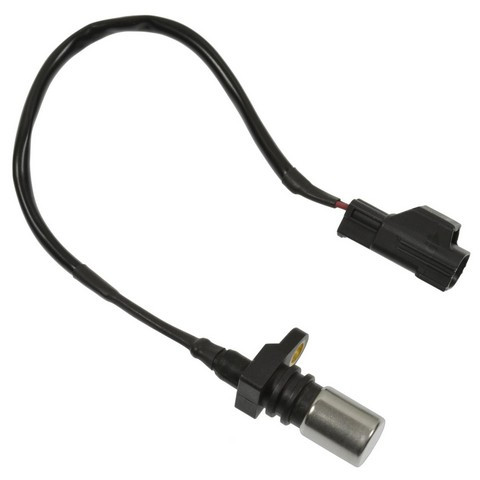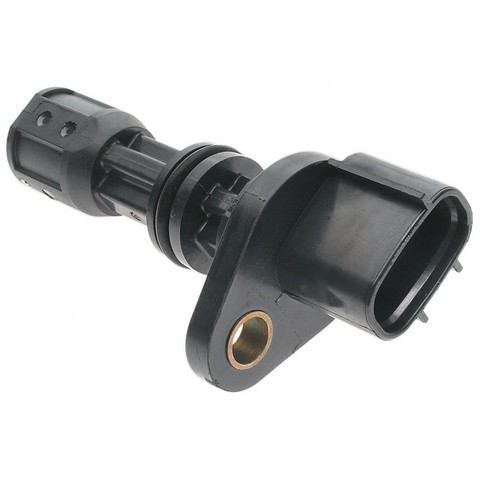
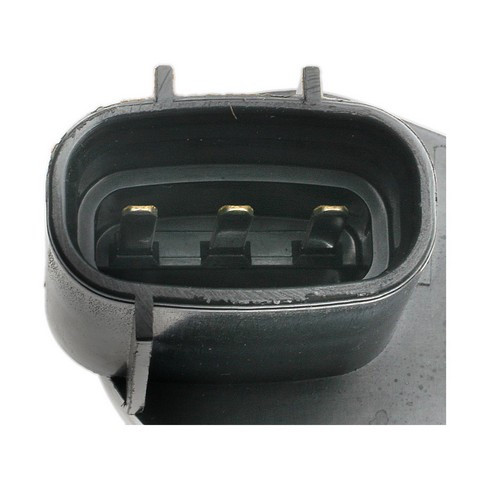
Standard Ignition Engine Crankshaft Position Sensor P/N:PC474
Standard Motor Products
Standard Ignition PC405 crankshaft position sensor for the 1998-2001 Honda Passport V6 3.2L and other vehicles reports the crankshaft's position to the engine computer. The computer uses that signal to time ignition and fuel delivery.
A failing crank sensor can bring on hard starting, stalling or a check engine light. These signs alone do not prove this sensor is the problem, since a weak battery can also make an engine hard to start.
This sensor is listed for a wide range of Honda, Isuzu and Acura models, led by the 1998-2001 Honda Passport V6 3.2L, the 1998-2001 Isuzu Rodeo V6 3.2L and the 1998-2001 Isuzu Trooper V6 3.5L, and each takes one. Open the "Vehicles it fits" section to look up your own model and engine.
Product information is for general reference and may contain errors. See our Disclaimer.
Is this Rodeo sensor right for a 1998-2001 Isuzu Rodeo V6 3.2L?
Yes. Standard Ignition PC405 is listed for the 1998-2001 Isuzu Rodeo V6 3.2L, and that engine takes one sensor.
Is PC405 the right Passport sensor for a 1998-2001 Honda Passport V6 3.2L?
Yes. Standard Ignition PC405 is listed for the 1998-2001 Honda Passport V6 3.2L, and that engine takes one sensor.
Why does the engine computer need a crankshaft position sensor signal?
The sensor reports crankshaft position and rotation, which the computer uses to time ignition and fuel delivery. Without that signal the engine may start hard or not at all.
Is Standard Ignition PC405 sold as a single sensor?
Yes. This listing is one crankshaft position sensor, and the fitment lists one sensor per vehicle.
Can I keep driving with a failing crankshaft position sensor?
No. Have it tested or replaced promptly, because a failing sensor can lead to stalling or a no-start, and a shop can test it.
No reviews yet — be the first to review this product.
Write a Review
WARNING: These products can expose you to chemicals including lead and phthalates, which are known to the State of California to cause cancer and birth defects or other reproductive harm. For more information go to www.P65Warnings.ca.gov.