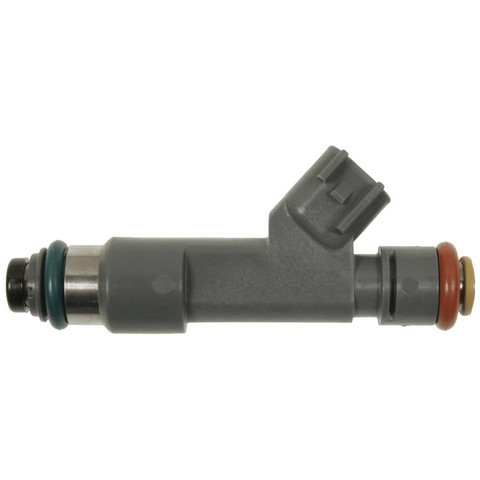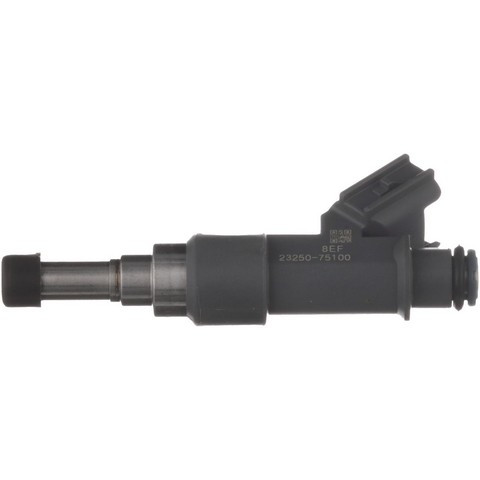
Standard Ignition Fuel Injector P/N:FJ1090
Standard Motor Products
Standard Ignition FJ783 fuel injector for the 2005-2015 Toyota Tacoma 4-cylinder 2.7L and other vehicles sprays metered fuel into the engine. It is a new injector designed specifically for Toyota engines.
A rough idle, hard starting or poor fuel economy can mean an injector is worn or leaking, though a fouled spark plug or a weak fuel pump can be behind the same symptoms.
It is also a fuel injector for the 2010 Toyota 4Runner 4-cylinder 2.7L and for the 2006-2015 Toyota Hilux 4-cylinder 2.7L. This listing is one injector, and the 2005-2015 Toyota Tacoma 4-cylinder 2.7L takes four.
Fit and size
Build and materials
One fuel injector with its O-rings. Retainer clips are not included.
Interchange: 2-18201 · 800-1760N
67384 · 2320909045 · 2320979155 · 2320979205
Product information is for general reference and may contain errors. See our Disclaimer.
This part cross-references / interchanges with the following part numbers:
Will the Standard Ignition FJ783 injector fit the 2010 Toyota 4Runner 4-cylinder 2.7L?
Yes. Standard Ignition FJ783 fits the 2010 Toyota 4Runner 4-cylinder 2.7L, which takes four injectors.
Are the O-rings included with this fuel injector?
Yes. The injector comes with its O-rings. Retainer clips are not included, so they are not part of this listing.
What terminal type does the FJ783 fuel injector have?
Standard Ignition FJ783 has two male blade terminals made of brass, and it attaches by plug-in.
How are the metering discs on this fuel injector made?
The metering discs are laser-drilled and engine-specific, and they calibrate fuel flow rate and spray pattern. Each injector is also end-of-line tested and calibrated.
Is the Standard Ignition FJ783 made in the USA?
Yes. Standard Ignition FJ783 is designed and manufactured in Greenville, SC, and its country of origin is the United States.
No reviews yet — be the first to review this product.
Write a Review
WARNING: These products can expose you to chemicals including lead and phthalates, which are known to the State of California to cause cancer and birth defects or other reproductive harm. For more information go to www.P65Warnings.ca.gov.