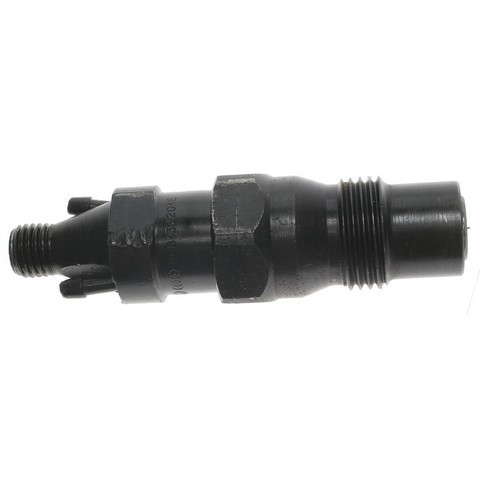
Standard Ignition Fuel Injector P/N:FJ348
Standard Motor Products
Standard Ignition TJ39 fuel injector for the 1987-1990 Jeep Wrangler 4-cylinder 2.5L and other vehicles delivers fuel to the engine whenever the computer commands it. It is a new throttle body injection (TBI) unit.
A rough idle, hard starting or poor fuel economy can mean the injector is worn, though a weak fuel pump or a clogged fuel filter can be behind the same symptoms, so find the cause before you replace it.
The 1987-1990 Jeep Wrangler 4-cylinder 2.5L, the 1986-1990 Jeep Cherokee 4-cylinder 2.5L and the 1986-1990 Jeep Comanche 4-cylinder 2.5L take this injector, along with more vehicles, and each one takes a single injector. Open the "Vehicles it fits" section to check your exact model and engine.
Fit and size
Build and materials
Product information is for general reference and may contain errors. See our Disclaimer.
Is the Standard Ignition TJ39 a Jeep Wrangler fuel injector replacement for the 1987-1990 model with the 4-cylinder 2.5L?
Yes, Standard Ignition TJ39 is a TBI fuel injector for the 1987-1990 Jeep Wrangler 4-cylinder 2.5L; open the "Vehicles it fits" section to check other models and engines.
Is the TJ39 a Jeep Cherokee fuel injector for the 1986-1990 model with the 4-cylinder 2.5L?
Yes. Standard Ignition TJ39 fits the 1986-1990 Jeep Cherokee 4-cylinder 2.5L, and that engine takes one injector.
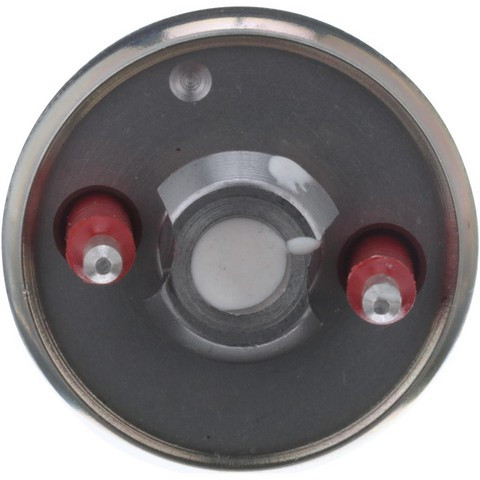
What kind of terminals does this TBI fuel injector have?
Standard Ignition TJ39 has two male pin terminals.
What are the o-rings on the Standard Ignition TJ39 made of?
They are high-temp Viton o-rings, which keep the injector sealed under extreme heat.
Which symptoms can mean a TBI fuel injector is worn?
A rough idle, hard starting or lower fuel economy can mean it is worn. A shop can test fuel delivery, since that check needs the engine running.
No reviews yet — be the first to review this product.
Write a Review
WARNING: These products can expose you to chemicals including lead and phthalates, which are known to the State of California to cause cancer and birth defects or other reproductive harm. For more information go to www.P65Warnings.ca.gov.